Post Meal Walk For Blood Sugar: How 10 Minutes At 100 BPM Cuts Glucose Spikes
Sarah Jenkins, Fitness Physiologist
2026年4月10日

A 10-minute walk immediately after a meal can reduce your peak blood glucose by roughly 10%. A 2025 study in Scientific Reports measured it directly: walkers peaked at 164 mg/dL versus 182 mg/dL for sedentary controls. Contracting leg muscles pull glucose out of your bloodstream through a pathway that doesn't even require insulin. If you've been looking for the simplest metabolic health habit that actually works, this is it.
What actually happens to blood sugar after you eat
When food hits your small intestine, glucose floods your bloodstream within 30 to 60 minutes. Your pancreas responds by releasing insulin, which tells your cells to absorb that glucose. In healthy people, the spike resolves within two hours. In anyone with insulin resistance — and that's roughly 38% of American adults according to 2022 CDC data — the spike lingers, stays higher, and slowly damages blood vessels, nerves, and organs over years.
The postprandial glucose spike (the medical term for that post-meal blood sugar surge) is increasingly seen as a standalone risk factor. Even in non-diabetic individuals, repeated high spikes correlate with cardiovascular disease risk. The fix doesn't have to be complicated. You don't need a CGM, a supplement stack, or a new diet. You need to move your legs.
Why walking after eating works (and why timing matters)
Skeletal muscle is the largest glucose sink in your body. When you walk, your leg muscles contract and activate GLUT4 transporters — molecular gateways that shuttle glucose from blood into muscle cells. This happens independently of insulin. Your muscles grab glucose whether or not your insulin signaling is working properly.
This is why timing matters so much. A 2025 study in Scientific Reports compared a 10-minute walk taken immediately after glucose intake versus a 30-minute walk taken half an hour later. The short, immediate walk was more effective at blunting the peak. By the time you wait 30 minutes, the glucose spike has already happened. You're chasing the wave instead of preventing it.
A 2026 study took this further: interrupting prolonged sitting with just 2 to 5 minutes of light walking after meals significantly reduced both glucose and insulin spikes in adults with obesity. You don't need a 45-minute power walk. You need to get moving before the spike hits.
| Strategy | Peak glucose reduction | Duration | When to start |
|---|---|---|---|
| 10-min walk immediately after meal | ~10% lower peak (164 vs 182 mg/dL) | 10 minutes | Within 5 min of last bite |
| 30-min walk, 30 min after meal | Moderate reduction | 30 minutes | 30 min post-meal |
| 2-5 min walking breaks | Significant reduction in glucose and insulin | 2-5 minutes | Immediately |
| Remaining seated | Baseline (no reduction) | — | — |
The data is consistent across multiple studies: earlier beats longer.
The right pace: matching your BPM to the goal
Not every walking speed produces the same metabolic response. Strolling at a window-shopping pace barely registers. Sprinting after a big meal will make you nauseous. The target sits in between, and a 2018 review in the British Journal of Sports Medicine mapped it: 100 steps per minute is the threshold for moderate-intensity walking in most adults.
Here is how different paces translate to BPM targets for your post-meal walk.
| Goal | Target BPM (steps/min) | Effort level | Best for |
|---|---|---|---|
| Gentle digestion support | 90-100 BPM | Light, conversational | Post-dinner family walks, seniors |
| Optimal glucose control | 100-110 BPM | Moderate, slightly brisk | Daily post-meal protocol |
| Brisk metabolic boost | 110-120 BPM | Moderate-vigorous | Fitness-minded walkers, weight management |
For most people, 100-110 BPM hits the right balance. Fast enough to activate real glucose uptake, slow enough that you can sustain it comfortably after eating without digestive discomfort. If you've done LISS cardio before, the pace feels nearly identical — and you get the fat-burning benefit stacked on top of the glucose control.
The consistency problem (and how music solves it)
Here's the part nobody talks about. Knowing you should walk after meals is easy. Actually maintaining a consistent pace for 10 minutes — especially when your brain is telling you to sit on the couch — is the hard part.
Research published in BMC Public Health (2021) found that predetermined music tempo effectively regulated walking cadence in overweight adults. Participants who walked to tempo-matched music maintained a more consistent stride rate than those walking in silence or to self-selected playlists with random tempos. The mechanism is auditory-motor entrainment: your brain automatically locks your footfalls to the beat without conscious effort.
This is where a tool like GagaRun earns its spot. Instead of building a playlist of songs that happen to be 100-110 BPM (and manually verifying each one), GagaRun scans your existing Apple Music or Spotify library and plays only the songs that match your target tempo in real time. Set it to 105 BPM, press play, walk out the door. Your feet lock to the beat. Your pace stays consistent. You are done in 10 minutes.
Walking in silence while trying to maintain a "brisk but not too brisk" pace by feel works fine for some people. But if you've ever caught yourself slowing to a crawl by minute six or speeding up because an upbeat song came on shuffle, tempo-matched music handles that problem for you.
Which meal matters most?
If you're only going to walk after one meal per day, make it dinner. A 2024 study published in the Journal of Sports Sciences found that post-dinner walking produced the largest improvement in postprandial glucose response compared to post-breakfast or post-lunch walks. The likely reason: evening meals tend to be larger and higher in carbohydrates, and insulin sensitivity naturally decreases later in the day.
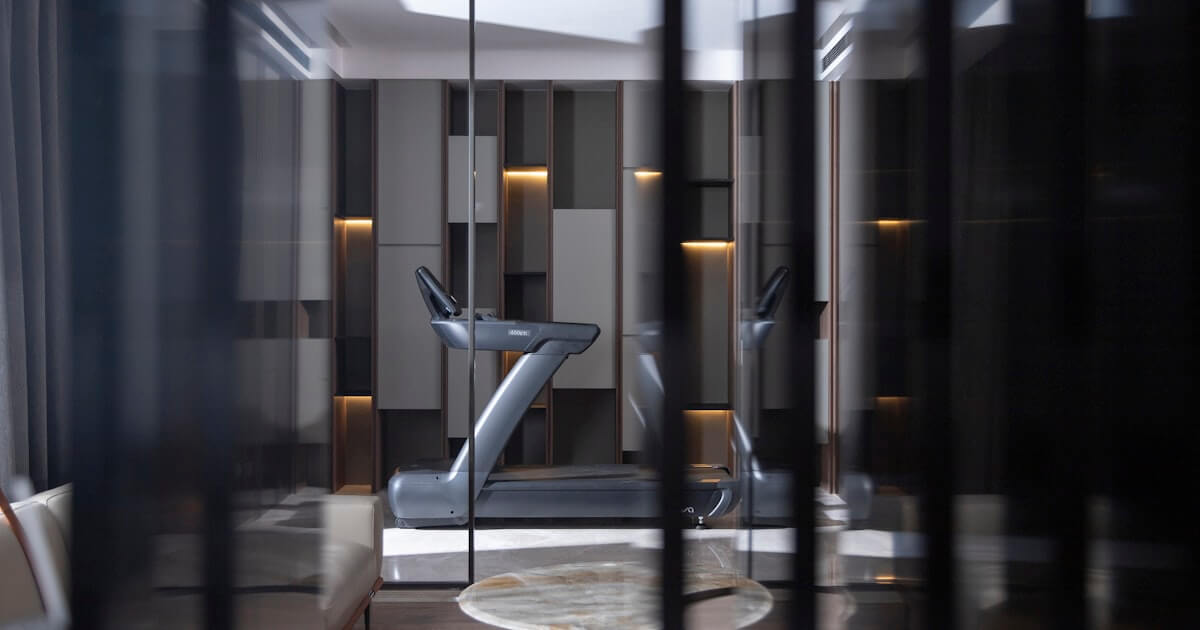
That said, any post-meal walk helps. Walking after breakfast still blunted glucose spikes in the same study. If your schedule only allows a post-lunch walk at work, take it. The under-desk treadmill approach at 80-100 BPM works too — the point is moving your legs, not where your legs happen to be.
A 4-week post-meal walking plan
If you're starting from zero, jumping straight into three daily post-meal walks is a recipe for quitting by day four. Build it gradually.
- Start with one meal. Pick the meal you eat most consistently at home (usually dinner). Walk for 10 minutes immediately after at 100 BPM.
- Add a second meal in week two. Once the dinner walk feels automatic, add a 10-minute post-lunch walk. Same pace.
- Extend the duration in week three. Push both walks to 15 minutes. Research suggests the glucose-lowering effect scales with duration up to about 30 minutes, though the steepest benefit comes in the first 10-15 minutes.
- Add breakfast in week four (optional). Three post-meal walks per day is the gold standard in the research. If mornings are chaotic, two walks still deliver substantial benefit.
Throughout the plan, keep your cadence locked to 100-110 BPM music. The rhythm creates a habit loop: meal ends, music starts, feet move. After two weeks of consistent entrainment, many people report maintaining the target pace even when the music is off.
What if I have diabetes or take medication?
Post-meal walking is widely recommended by the American Diabetes Association as part of glucose management for people with Type 2 diabetes. But if you take insulin or sulfonylureas, exercise can compound the blood-sugar-lowering effect and potentially cause hypoglycemia. Talk to your doctor before adding structured post-meal walks to your routine, especially if your medication doses were recently adjusted.
For people with prediabetes or metabolic syndrome who aren't on glucose-lowering medication, post-meal walking is about as close to a free lunch (after the actual lunch) as metabolic medicine gets.
Frequently asked questions
Does it have to be walking, or does any movement work?
Walking is the most studied and practical option, but other light activities work too. Standing and doing dishes, light stretching, or even fidgeting reduce glucose compared to sitting. Walking just has the strongest evidence base and the easiest compliance — you open the door and go. The 100 BPM target doesn't apply to non-walking activities.
Can I walk on a treadmill instead of outdoors?
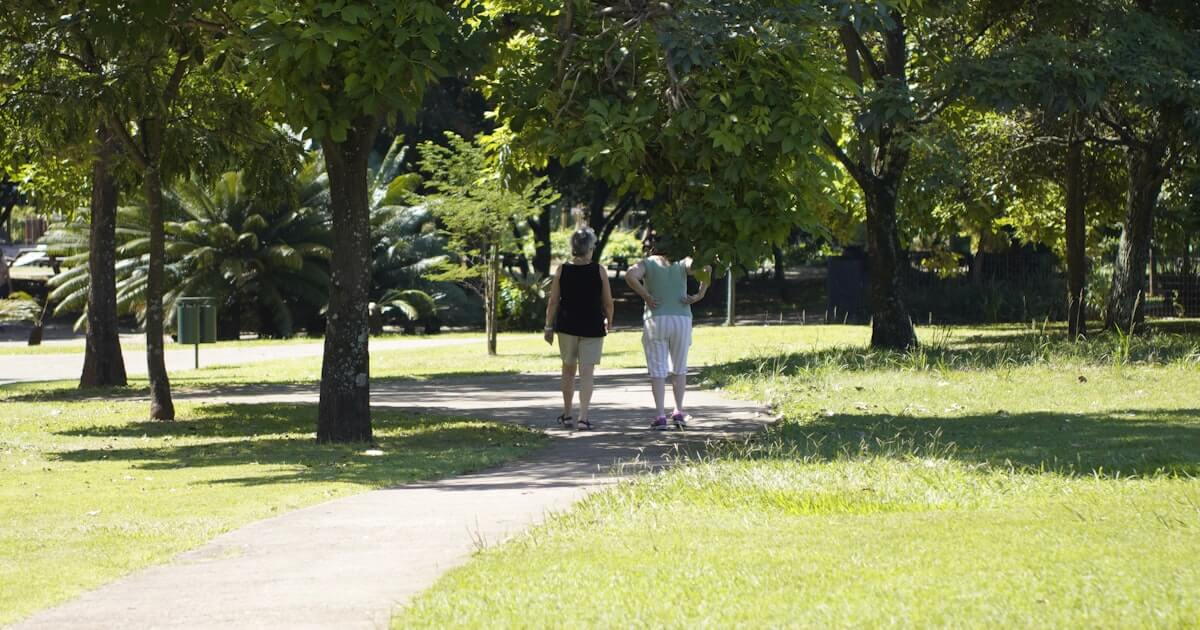
Absolutely. The metabolic mechanism is identical regardless of surface. If you struggle with treadmill anxiety, headphones and a beat-matched playlist at 100-110 BPM create an auditory cocoon that blocks out the gym. A 2025 meta-analysis found that walking in nature reduces anxiety more than walking indoors — so if you have access to a park, take it. But a treadmill still lowers your blood sugar just fine.
How does this compare to taking apple cider vinegar or supplements?
A 2019 meta-analysis in Clinical Nutrition ESPEN found that apple cider vinegar reduced postprandial glucose by roughly 1.3 mmol/L in trials with carbohydrate-rich meals. A 10-minute walk at moderate intensity reduces it by a comparable or greater margin, with the bonus of zero GI side effects and added cardiovascular benefit. Supplements aren't inherently bad, but a walk is free, has no dosing confusion, and trains your muscles to become better glucose sinks over time. If you're also doing walking for anxiety relief, you're stacking metabolic and psychological benefits from the same 10 minutes.