Under Desk Treadmill Pace: Best BPM To Maximize Productivity
Alex Chen, Certified Running Coach
2026年3月23日
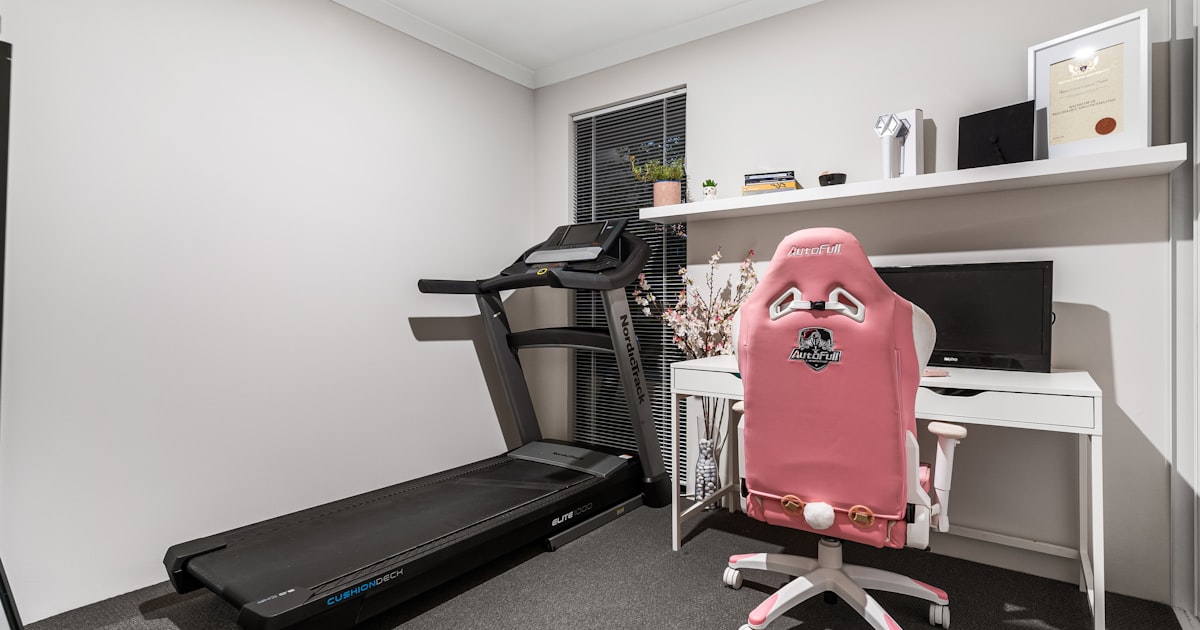
The ideal speed for an under-desk treadmill while working is 2.0 to 2.5 mph, which translates to a walking cadence of 80 to 100 BPM. Matching your music to this specific BPM prevents unconscious speeding, allowing you to maintain perfect typing accuracy and deep focus without breaking a sweat.
Working on a walking pad is entirely different from a gym cardio session. You are not trying to set a personal best. You are trying to stay moving without disrupting your cognitive flow. Most people struggle with under-desk treadmills because their pace drifts—they start walking too fast when stressed or too slow when reading.
Locking in a specific cadence using beat-matched music fixes this entirely.
The Science of Walking Speed and Typing Accuracy
If you walk too fast, your upper body sways. This makes precise mouse movements impossible and introduces typos.
According to workplace ergonomics studies, users can maintain 95% typing accuracy while walking at 2.0 mph. However, when the speed increases to 3.0 mph or higher, fine motor skills degrade rapidly. At 2.0 mph, the average person takes about 80 steps per minute.
"This isn't exercise equipment. It's about moving throughout your day," Dr. James Levine, the Mayo Clinic researcher who pioneered the treadmill desk, told the Los Angeles Times. His research puts the payoff at roughly 100 extra calories per hour while walking at just 1 mph—no sweat response, no cognitive distraction.
MPH to BPM Conversion Table
To keep your pace steady, you need to match your steps to your music's tempo. Here is exactly how treadmill speed translates to music BPM and work suitability.
| Treadmill Speed | Estimated Cadence | Best Work Tasks | Suitable Music Genre (Example) |
|---|---|---|---|
| 1.5 mph | 60 - 70 BPM | Deep coding, precision design, reading | Lo-fi Hip Hop, Ambient |
| 2.0 mph | 80 - 90 BPM | Emails, drafting documents, spreadsheets | Slow R&B, Downtempo |
| 2.5 mph | 90 - 100 BPM | Brainstorming, casual reading | Mid-tempo Pop, Classic Rock |
| 3.0+ mph | 110+ BPM | Video calls (listening only), podcasts | Upbeat Pop, House |
How to Stop Pace Drifting with Music
Pace drifting happens when your walking speed fluctuates based on your mental state. If you get an urgent email, your heart rate spikes, and you naturally walk faster, leading to a loss of balance or typing errors.
Listening to a fixed-BPM playlist creates an auditory anchor. Your brain naturally syncs your footstrikes to the beat.
Instead of constantly adjusting your treadmill remote, let the music dictate your steps. A tool like GagaRun automatically filters your existing Apple Music or Spotify playlists to only play songs that match your target 90 BPM cadence. You set the treadmill to 2.0 mph, hit play, and your body locks into the rhythm automatically.
This creates a sensory bubble. The steady rhythm of the music masks the motor noise of the walking pad, helping you stay completely dialed into your lazy cardio routine.
How to Build the Perfect Walking Pad Routine
1. Find your baseline speed. Start at 1.5 mph. Type a standard email. If your hands bounce too much, lower the speed. If it feels too slow, bump it up to 2.0 mph.
2. Match your BPM. Once you find that perfect speed, determine your cadence. For 2.0 mph, you want an 80 to 90 BPM playlist.
3. Wear the right footwear. Do not walk in socks. Walking pads lack the heavy cushioning of standard gym treadmills. Wear supportive running shoes to prevent plantar fasciitis during long working sessions.
4. Sync your music. If you struggle to find the right tempo manually, use an app to sync your music to your walking pace. This ensures every track perfectly matches your steps.
Frequently Asked Questions
Does walking on a treadmill pad ruin concentration?
No, as long as you keep the speed under 2.5 mph. Light walking actually increases blood flow to the brain, which supports alertness and mental stamina during the afternoon slump.
How many calories do you burn walking 2 mph for 4 hours?
Walking at 2 mph burns roughly 100 to 150 calories per hour, depending on your body weight. Over a four-hour shift, you can burn an additional 400 to 600 calories effortlessly.
What is the best BPM for studying or deep work while walking?
Aim for 70 to 80 BPM. Slower tempos encourage a relaxed state and prevent your heart rate from rising too high, which is ideal for cognitive tasks requiring intense focus.