Cozy Cardio: Best Pace And BPM For Walking Pad Sessions
Sarah Jenkins, Fitness & Lifestyle Blogger
2026年8月4日
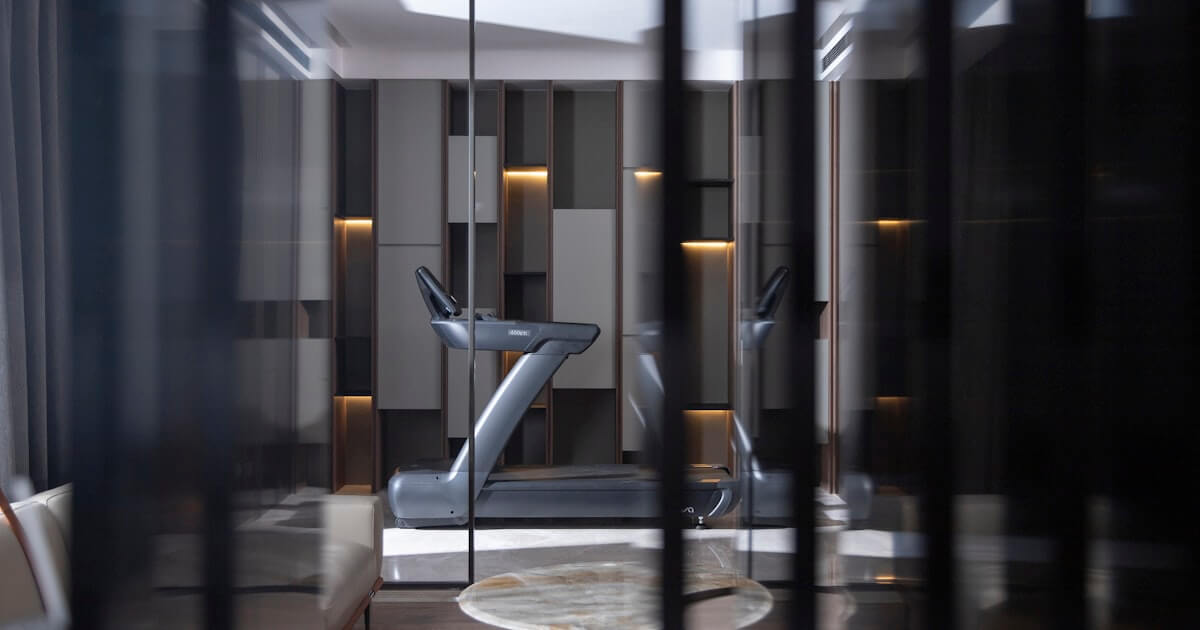
Cozy cardio is a low-pressure walking pad workout done at home, usually at 2.5-4.0 mph for 30-60 minutes. At those speeds most adults naturally land between 100 and 125 steps per minute, which is the moderate-intensity zone health guidelines actually ask for. Dim the lights, put on a comfort show, and match your steps to 100-125 BPM music. That's the whole formula.
What is cozy cardio, exactly?
Cozy cardio is a fitness trend started by TikTok creator Hope Zuckerbrow in late 2022. The idea: instead of dragging yourself to a gym, you walk on a small walking pad at home while making the whole experience as pleasant as possible. Candles, a favorite drink, pajamas, a comfort show playing on the TV. Zuckerbrow's videos spend most of their runtime on the setup, not the walking, and that's deliberate. She calls it "romanticizing the exercise."
Her typical session, as described in interviews with Bustle and TODAY: warm up around 3 mph, hold 4 mph for about twenty minutes, push briefly to 4.5 mph, then cool down at 2.5 mph. Roughly 40 minutes, a bit over two miles.
It sounds soft. The numbers say otherwise.
Does walking that slowly actually do anything?
Yes, and this is the part skeptics get wrong. The intensity threshold for "moderate physical activity" (3 METs, the level tied to most health benefits) is about 100 steps per minute for adults, a figure validated in Medicine & Science in Sports & Exercise (Rowe et al., 2011) and again in a 2018 IJERPH treadmill study that put the moderate-intensity threshold at 101 steps per minute. A casual 3 mph stroll clears that bar for almost everyone.
Step volume matters too. A large study published in JAMA Internal Medicine found that every additional 2,000 daily steps cut premature death risk by 8-11%, with benefits accumulating up to roughly 10,000 steps per day. A single 40-minute cozy cardio session at 3-4 mph adds about 4,500-5,000 steps. That's half the daily target, earned while watching a sitcom.
So the workout is real. The problem cozy cardio actually solves is a different one: consistency. A walking pad you enjoy using four times a week beats a gym membership you dread and skip.
Speed, cadence, and BPM: the conversion table
Here's where most cozy cardio guides stop and where the interesting part starts. Your walking speed determines your cadence (steps per minute), and your cadence is the number your music should match.
| Walking pad speed | Typical cadence (SPM) | Music BPM to match | Feels like |
|---|---|---|---|
| 2.0 mph | 85-100 | 85-100 | Gentle stroll, easy TV watching |
| 2.5 mph | 95-108 | 95-110 | Comfortable, conversation pace |
| 3.0 mph | 108-122 | 105-120 | Purposeful walk, slight warmth |
| 3.5 mph | 117-133 | 115-130 | Brisk, light sweat after 15 min |
| 4.0 mph | 125-140 | 125-140 | Power walk, borderline jog |
Cadence varies with height: shorter walkers take more steps at the same speed. A 160 cm walker at 3 mph averages around 122 SPM while a 190 cm walker sits near 102, per stride-length regression data. Treat the table as a starting range and trust your feet over the label on the speed dial.
Wait, does the music tempo really matter if I'm watching a show anyway? For pure cozy sessions with TV, no. But on audio-only days, tempo-matched music quietly does the pacing for you. When your footfalls sync with the beat (researchers call it auditory-motor entrainment), your stride rate stops drifting and perceived effort drops. It's the difference between holding 3.5 mph by willpower and holding it because the song won't let you slow down.
A 45-minute cozy cardio protocol
The original trend is unstructured on purpose, and if unstructured keeps you walking, don't fix it. But if you want a repeatable session with a bit more training value:
- Set the scene (before you step on). Drink within reach, lighting low, show queued or playlist ready. This part is load-bearing. The ritual is why you'll come back tomorrow.
- Ease in (0-8 min): 2.5 mph, ~100 BPM. Joints warm up, heart rate climbs gently.
- Cruise (8-35 min): 3.0-3.5 mph, 110-120 BPM. This is the moderate-intensity block where the health benefits live. You should be warm but still able to sing a chorus.
- Optional push (2 x 3 min): 4.0 mph, ~130 BPM. Sprinkle in two faster songs if you're feeling it. Skip on low-energy days without guilt.
- Wind down (final 5 min): 2.0 mph, ~90 BPM. Let your heart rate glide down before you step off.
One form note: keep your hands off the walking pad's edges and let your arms swing. Holding on shortens your stride and quietly deletes a chunk of the workout.
Building the cozy playlist
The awkward truth about the 100-125 BPM range: it's full of great songs, but they're scattered across your library between 80 BPM ballads and 160 BPM gym tracks. Manually checking tempos and dragging songs into playlists is exactly the kind of friction cozy cardio is supposed to remove.
This is where GagaRun fits naturally. It scans the music you already have, filters it to your target BPM, and keeps playback locked to your step rate, so a 3 mph evening walk automatically gets 110 BPM songs and a 4 mph push gets 130. No tempo spreadsheets, no mid-walk skipping. Set the cadence, start the show or the playlist, walk.
If you'd rather go deeper on tempo strategy for fat loss specifically, the walking pad BPM workout guide breaks down the Fatmax zone in detail, and the treadmill walking fat loss guide covers the full-size treadmill version.
Frequently asked questions
Is cozy cardio enough exercise on its own?
For general health, mostly yes. A 40-minute session at 3+ mph meets the moderate-intensity bar, and doing it 5 days a week covers the WHO's 150-minute weekly guideline. What it won't do is build meaningful strength or high-end cardio fitness, so pairing it with two short resistance sessions per week is the sensible upgrade.
What speed should a beginner start at?
Start at 2.0-2.5 mph for the first week and let the environment do the heavy lifting. The trend's whole point is that you're not supposed to suffer. Once 30 minutes feels easy, nudge the cruise block toward 3.0-3.5 mph.
Do I need a walking pad, or does a regular treadmill work?
Any treadmill works. Walking pads won the trend because they fit in apartments and stow under sofas, not because they're mechanically special. If your machine has incline, a 3-5% grade at the same speed adds intensity without adding impact.