Best BPM For Hiking: Match Music To Your Trail Pace
Sarah Jenkins, Fitness Physiologist
2026年4月27日
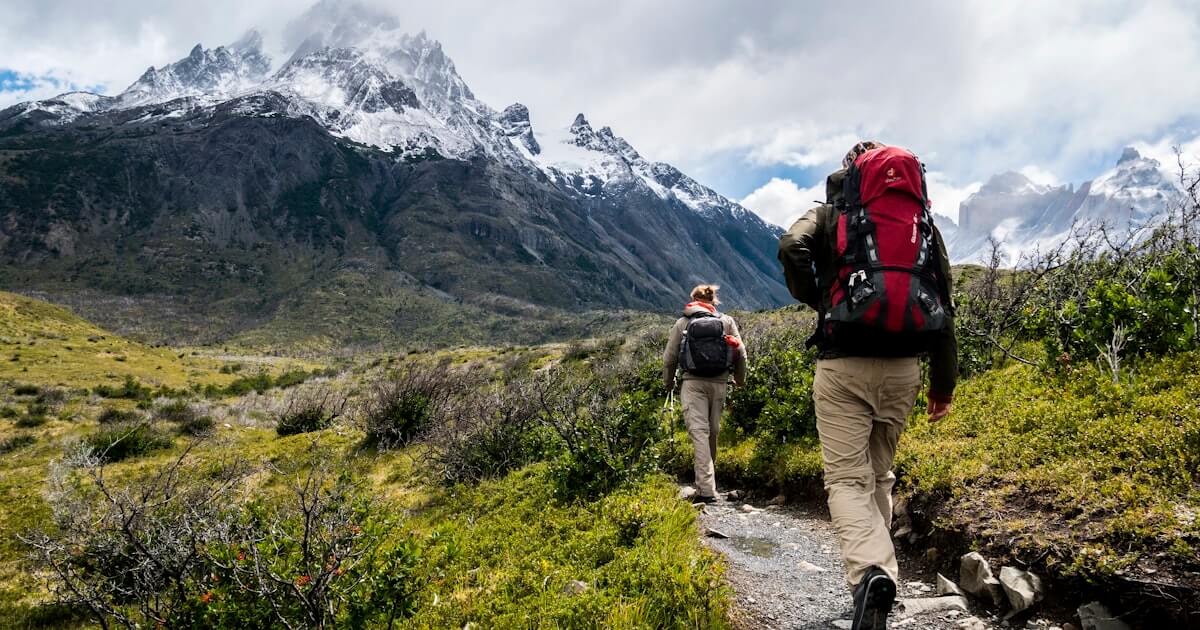
Most hikers pick trail music by vibe. That works until you're grinding up a 15% grade and your 140 BPM pop playlist is pushing you into a pace your legs can't sustain. The fix is simple: match your music tempo to the cadence your terrain actually demands. On flat trails, that's 100–115 BPM. On steep climbs, it drops to 80–100 BPM. Downhill stretches bump it back up to 110–125 BPM.
Those numbers come from real biomechanics, not a Spotify mood board. And getting them right can mean the difference between finishing a 10-mile hike feeling strong versus blowing up at mile six.
Why hiking cadence is nothing like running cadence
If you've read anything about running cadence, you've probably heard the "180 steps per minute" figure thrown around. Hiking is a completely different animal. The speeds are lower, the terrain is unpredictable, and you're often carrying a pack that shifts your center of gravity.
A typical hiker on moderate flat terrain walks at 2.5–3 mph, which translates to roughly 100–120 steps per minute (SPM). Push that onto a steep uphill section and cadence plummets—sometimes to 60–85 SPM on aggressive switchbacks. Downhill sections speed things up, but shorter, quicker steps keep your knees safe, landing you around 110–125 SPM.
Research published in Applied Sciences (2024) found that walking speed and slope produce significant changes in spatiotemporal gait parameters. Uphill segments showed longer step duration and reduced cadence compared to level terrain, while downhill segments increased speed but kept cadence relatively stable. Translation: the trail dictates your rhythm whether you plan for it or not.
The BPM cheat sheet: terrain by terrain
Here's the part you can screenshot and take to the trailhead.
| Terrain | Typical cadence (SPM) | Recommended music BPM | Notes |
|---|---|---|---|
| Flat trail (moderate pace) | 100–115 | 100–115 | Direct 1:1 match works well |
| Flat trail (brisk/power hiking) | 115–130 | 115–130 | You'll feel the tempo pulling you forward |
| Moderate uphill (5–10% grade) | 85–105 | 85–105 | Slower music prevents overexertion |
| Steep uphill (10%+ grade) | 60–85 | 120–140 at half-time | One step per two beats (see below) |
| Downhill (moderate) | 110–125 | 110–125 | Quicker, controlled steps protect knees |
| Technical/rocky | 90–110 | 90–110 or pause music | Terrain awareness matters more here |
The "half-time trick" for steep climbs works the same way it does on a StairMaster: when your legs are moving at 65–80 SPM, finding songs at that tempo is nearly impossible. So you play 130–140 BPM tracks and step on every other beat. The rhythm still locks in. Your brain still syncs. You just let every second beat pass.
What the research says about matched-tempo hiking
Most people assume this is all subjective. It's not.
A study in the Journal of Sport & Exercise Psychology (Karageorghis et al., 2009) tested synchronous music during treadmill walking and found that participants who walked to tempo-matched motivational music lasted significantly longer before exhaustion compared to those walking without music. The effect wasn't just psychological—in-task affect (how good you feel during exercise) improved throughout the session.
Separately, research in Perceptual and Motor Skills (Dyrlund & Wininger, 2008) showed that medium-tempo music (115–120 BPM) during self-paced walking reduced perceived exertion from 12.1 to 10.8 on the Borg scale. That's a meaningful drop. On a long day hike, that difference can translate to an extra mile or two before your legs start bargaining with your brain to stop.
There's a cognitive angle too. Music of any tempo increased what researchers call "dissociative attentional focus"—your mind wanders away from the burn in your quads and toward the melody. On a three-hour trail grind, that mental escape is worth more than most hikers realize.
How to find your natural hiking cadence
You don't need a GPS watch or lab equipment. Here's the low-tech method:
- Pick a representative section. Find 30 seconds of flat trail at your comfortable pace—not the parking lot walk, but your actual cruising speed once the trail levels out.
- Count your steps. Both feet. Get a number for those 30 seconds.
- Multiply by two. That's your flat-terrain SPM. Most people land between 100 and 120.
- Repeat on a climb. Find a moderate uphill and count again. Expect to drop 15–25 SPM from your flat number.
- Use those numbers as your BPM targets. Your flat SPM becomes your flat-trail playlist tempo. Your uphill SPM becomes your climb playlist tempo (or double it for the half-time approach).
If you're wearing an Apple Watch or similar device, most fitness apps will report cadence automatically. But counting works perfectly fine—precision to the exact SPM isn't the point. Getting within 5 BPM of your natural rhythm is enough to feel the lock-in effect.
Building a trail playlist that adapts to the terrain
This is where most hiking playlists fall apart. A Spotify "hiking vibes" playlist is a random grab bag of tempos. You might get 75 BPM folk followed by 145 BPM indie rock. Neither matches what your legs are doing.
The practical solution is filtering your library by BPM and building separate mini-playlists for each terrain zone. If you're using GagaRun, this takes about 30 seconds—import your Apple Music or Spotify library, set a target BPM range (say 105–115 for flat sections), and the app pulls every matching track from your collection. Switch to your "climb" playlist when the trail tilts up, or let the app adjust the tempo of your current song to match a new target.
The alternative is manually Googling the BPM of every song you like. I've done it. It's tedious enough that most people give up after six songs and just hit shuffle.
Protect your knees on the descent
Downhill hiking loads your joints harder than most people expect. A 2026 analysis in trail running biomechanics found that even a 5–8% increase in step cadence reduced peak knee flexion moment by 17% on downhill terrain. A related finding: every 1% increase in steps per minute achieved approximately a 2.3% reduction in knee adduction moment, which is one of the strongest predictors of cartilage wear.
What this means for your playlist: resist the urge to blast fast music on the downhill. You want a tempo that encourages short, quick, controlled steps—not long, pounding strides. Somewhere in the 110–125 BPM range keeps most hikers in that protective cadence zone. If you've dealt with knee pain on descents, this alone might be worth testing.
The 63-million-hiker opportunity you're missing
According to the Outdoor Industry Association's 2026 report, hiking hit 63.4 million participants in the United States alone—a record, and nearly double the number from 2012. That's more people than play basketball, cycle, or swim.
Yet almost none of them think about tempo-matching their music. Runners obsess over cadence. Cyclists track RPM. Hikers just press play and hope for the best. If you take five minutes to build BPM-sorted playlists for your typical terrain, you'll hike longer with less perceived effort. The data supports it, and your knees will notice on the way down.
Frequently asked questions
What BPM should I use for a flat day hike?
Most hikers walk at 100–115 steps per minute on level terrain at a moderate pace. Match your music to that range—100–115 BPM. If you tend toward a brisk power-hiking pace, bump it up to 115–125 BPM. Count your steps for 30 seconds and multiply by two to get your personal number.
Can I listen to music on the trail safely?
Keep the volume low enough to hear approaching hikers, cyclists, and wildlife. Bone conduction headphones (like Shokz) are popular among trail users because they leave your ears open. On busy or technical sections, consider pausing music entirely—no playlist is worth a rolled ankle on loose rock.
Does rucking with a heavy pack change the ideal BPM?
Yes. A loaded pack (20+ lbs) slows your natural cadence by roughly 5–15 SPM compared to unloaded hiking. Reduce your target BPM accordingly. For more on weighted-pack pacing, see our rucking cadence guide.