Target Heart Rate By Age (Chart, Formulas & BPM Guide)
Sarah Jenkins, Fitness & Lifestyle Blogger
September 19, 2026
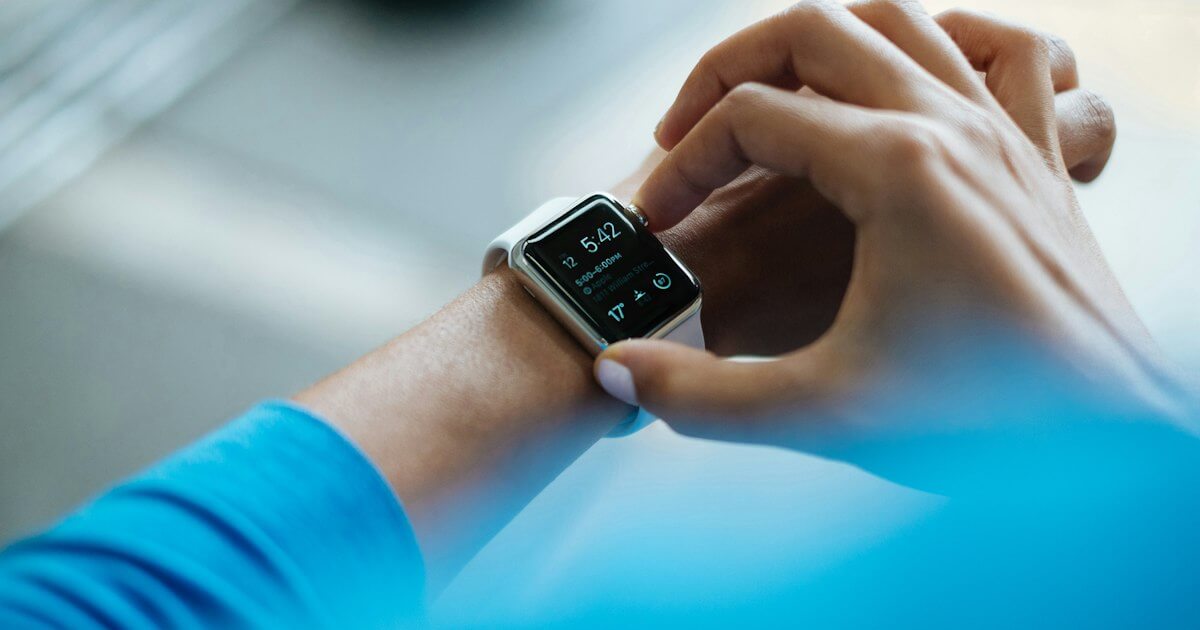
Your target heart rate during moderate exercise sits between 50% and 70% of your maximum heart rate. For vigorous training, it climbs to 70% to 85%. For a 40-year-old using standard benchmarks, moderate cardio ranges from 90 to 126 bpm, while vigorous running sits between 126 and 153 bpm.
Target heart rate by age chart
The American Heart Association (AHA) outlines two main cardiovascular training zones: moderate activity (50% to 70% of max heart rate) and vigorous activity (70% to 85% of max heart rate).
Below is the standard target heart rate breakdown across decades, based on the classic formula alongside the updated Tanaka laboratory model.
| Age | Est. Max HR (Fox) | Tanaka Max HR (208 - 0.7×Age) | Moderate Zone (50–70%) | Vigorous Zone (70–85%) | Suggested Cadence (BPM) |
|---|---|---|---|---|---|
| 20 | 200 bpm | 194 bpm | 100 – 140 bpm | 140 – 170 bpm | 160 – 170 SPM |
| 25 | 195 bpm | 191 bpm | 98 – 137 bpm | 137 – 166 bpm | 160 – 170 SPM |
| 30 | 190 bpm | 187 bpm | 95 – 133 bpm | 133 – 162 bpm | 160 – 172 SPM |
| 35 | 185 bpm | 184 bpm | 93 – 130 bpm | 130 – 157 bpm | 162 – 172 SPM |
| 40 | 180 bpm | 180 bpm | 90 – 126 bpm | 126 – 153 bpm | 162 – 174 SPM |
| 45 | 175 bpm | 177 bpm | 88 – 123 bpm | 123 – 149 bpm | 162 – 174 SPM |
| 50 | 170 bpm | 173 bpm | 85 – 119 bpm | 119 – 145 bpm | 164 – 176 SPM |
| 55 | 165 bpm | 170 bpm | 83 – 116 bpm | 116 – 140 bpm | 164 – 176 SPM |
| 60 | 160 bpm | 166 bpm | 80 – 112 bpm | 112 – 136 bpm | 164 – 176 SPM |
| 65 | 155 bpm | 163 bpm | 78 – 109 bpm | 109 – 132 bpm | 162 – 174 SPM |
| 70 | 150 bpm | 159 bpm | 75 – 105 bpm | 105 – 128 bpm | 160 – 172 SPM |
Note: Individual maximum heart rates vary by 10 to 12 beats in either direction depending on genetics, fitness history, and medication.
Fox formula vs. Tanaka formula: which should you trust?
Most fitness watches and gym treadmills still rely on the Fox and Haskell formula created in 1971:
$$\text{Max HR} = 220 - \text{Age}$$
It is simple to calculate in your head, but it was derived from an observational review of small, largely male cohorts.
In 2001, a landmark meta-analysis published in the Journal of the American College of Cardiology by Dr. Hirofumi Tanaka and colleagues analyzed 351 studies covering 18,712 healthy subjects. Tanaka's team found that the old 220-minus-age formula systematically underestimates maximum heart rate in older adults while slightly overestimating it in runners under 30.
They established a more accurate laboratory regression equation:
$$\text{Max HR} = 208 - (0.7 \times \text{Age})$$
At age 25, the Fox formula estimates your ceiling at 195 bpm, while Tanaka puts it at 191 bpm. But by age 60, Fox claims your maximum is 160 bpm, whereas Tanaka's research shows the true average is closer to 166 bpm.
That 6-beat gap shifts your target zones. An older runner following Fox might cut an aerobic workout short because their monitor says they crossed into an unsafe zone, when in reality their cardiovascular ceiling is several beats higher.
How to match target heart rate to workout goals
Hitting a target heart rate is not about running as hard as you can. It is about matching your intensity to the specific physiological adaptation you want.
1. Moderate intensity (50% to 70% Max HR)
This range covers warmups, easy recovery jogs, brisk incline walking, and Zone 2 base-building.
- What it feels like: You can speak in full, complete sentences without gasping between words. Breathing is rhythmic and calm.
- The benefit: Stimulates capillary growth, builds mitochondrial density in slow-twitch muscle fibers, and speeds up cardiac recovery efficiency.
- Fat utilization: Sits squarely inside your fat-burning heart rate zone, maximizing lipid oxidation per minute.
2. Vigorous intensity (70% to 85% Max HR)
This range encompasses marathon pace, tempo runs, and sustained aerobic threshold efforts.
- What it feels like: Talking becomes difficult. You can speak two or three words at a time, but holding a conversation is out of the question.
- The benefit: Trains your body to buffer and clear blood lactate faster, lifting your age-graded VO2 max benchmark and raising your sustainable race speed.
3. Maximum effort (85% to 100% Max HR)
Reserved for short track intervals, hill sprints, and 5K race finishes. You should spend no more than 5% to 10% of your weekly training volume here.
The runaway heart rate problem (and how music cadence fixes it)
Have you ever started an easy run with your heart rate sitting comfortably at 130 bpm, only to watch it climb to 155 bpm twenty minutes later even though your speed never changed?
Coaches call this cardiovascular drift. Heat and dehydration play a role, but the most common culprit is subtle stride decay. As legs tire, runners unconsciously overstride, lengthening foot contact time and putting extra braking force on every step. That extra muscular demand forces your heart to pump harder just to maintain forward momentum.
The easiest way to stabilize your heart rate is to lock your cadence to a steady audio beat.
When your feet hit the ground at a predictable cadence, your muscle recruitment stays uniform. A runner aiming for moderate aerobic cardio usually feels smoothest landing between 160 and 172 steps per minute.
Instead of checking your wrist watch every two minutes, you can let rhythm do the work. GagaRun scans your existing music library on Apple Music and filters songs to match your exact target cadence. If your goal is an easy aerobic cruise, queue up a 164 BPM playlist. Your footsteps lock onto the kick drum, your stride stays compact, and your heart rate stays settled inside your target zone from mile one to mile six.
Frequently asked questions
What if my actual heart rate exceeds my age-predicted target?
Age formulas provide population averages with a standard deviation of roughly 10 to 12 bpm. If your watch reads 10 beats higher than the chart but you can still talk easily, your individual max heart rate is likely higher than average. Always pair numbers with the talk test.
Does a low resting heart rate change my target zones?
Yes. Highly conditioned runners often have low baseline pulses. For personalized numbers, calculate the Karvonen formula (Heart Rate Reserve), which factors in your morning resting heart rate alongside your ceiling.
Why does my watch suddenly jump to 175 bpm during an easy jog?
If your pulse abruptly matches your stride count, your watch optical sensor is likely locking onto the physical bounce of your arm rather than your pulse. We break down the mechanics and sensor fixes in our guide to resolving smartwatch cadence lock.