Heart Rate Recovery By Age: 1 Minute & 2 Minute Chart
Alex Chen, Certified Running Coach
September 18, 2026
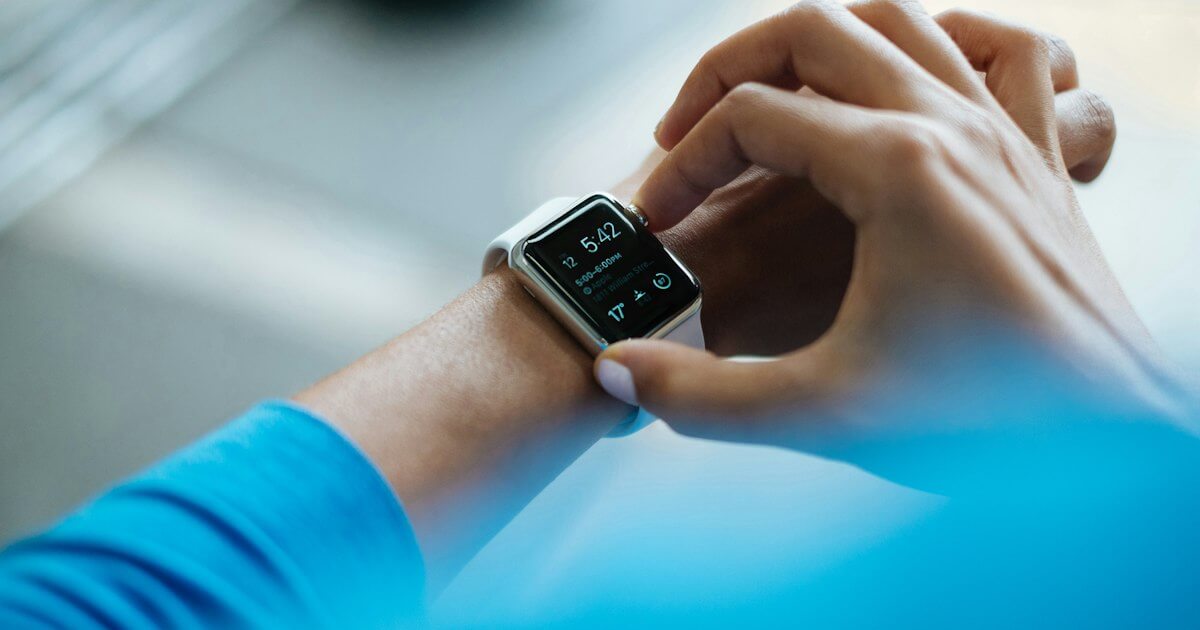
A normal 1-minute heart rate recovery (HRR) after running is a drop of 18 to 25 beats per minute (bpm) during an active cool-down walk, or 25 to 35 bpm when standing completely still. By two minutes, your heart rate should decline by 35 to 55+ bpm from your peak effort. If your heart rate drops fewer than 12 bpm in the first minute of active walking, clinical research flags this as a blunted recovery that warrants medical evaluation.
You just crossed the finish line of a 10K or stepped off the track after repeat 800s. Your watch beeps two minutes later, displaying a number like "+32 bpm." Most runners glance at it, wonder if 32 is good or bad, and dismiss the screen.
That single number happens to be one of the cleanest windows into your autonomic nervous system, aerobic fitness, and daily recovery status you will ever get without a hospital cart.
What is heart rate recovery (HRR)?
Heart rate recovery measures how fast your pulse drops once strenuous exercise stops.
$$\text{HRR} = \text{Peak Exercise Heart Rate} - \text{Heart Rate at } t \text{ Minutes Post-Exercise}$$
When you run, your sympathetic nervous system ("fight or flight") floods your bloodstream with catecholamines, pumping adrenaline to drive up cardiac output. The moment you ease off, your parasympathetic nervous system ("rest and digest") takes the wheel. The vagus nerve fires acetylcholine to slow the sinoatrial node, pulling your heart rate back down.
The faster this vagal reactivation happens, the healthier your autonomic balance. A sluggish drop means your body remains stuck in emergency mode, struggling to clear stress hormones.
Heart rate recovery chart by age and fitness level
Heart rate recovery naturally declines as you get older because autonomic flexibility diminishes. However, consistent endurance training keeps vagal tone sharp well into your 50s and 60s.
The table below outlines expected 1-minute and 2-minute heart rate reductions across age brackets. These values synthesize findings from landmark recovery trials—including Cole et al. in the New England Journal of Medicine and large-scale demographic data presented by the American Heart Association (Circulation, 2015)—specifically calibrated for an active walking cool-down.
| Age Bracket | Metric | Athletic / Elite | Excellent | Good / Normal | Below Average | Blunted (Elevated Risk) |
|---|---|---|---|---|---|---|
| 20–29 | 1-Min Drop | 28–38+ bpm | 23–27 bpm | 18–22 bpm | 13–17 bpm | < 13 bpm |
| 2-Min Drop | 55–65+ bpm | 45–54 bpm | 36–44 bpm | 25–35 bpm | < 22 bpm | |
| 30–39 | 1-Min Drop | 26–36+ bpm | 21–25 bpm | 16–20 bpm | 12–15 bpm | < 12 bpm |
| 2-Min Drop | 50–62+ bpm | 42–49 bpm | 33–41 bpm | 22–32 bpm | < 20 bpm | |
| 40–49 | 1-Min Drop | 24–34+ bpm | 19–23 bpm | 15–18 bpm | 11–14 bpm | < 12 bpm |
| 2-Min Drop | 46–58+ bpm | 38–45 bpm | 30–37 bpm | 20–29 bpm | < 19 bpm | |
| 50–59 | 1-Min Drop | 22–32+ bpm | 17–21 bpm | 14–16 bpm | 10–13 bpm | < 11 bpm |
| 2-Min Drop | 42–54+ bpm | 34–41 bpm | 27–33 bpm | 18–26 bpm | < 17 bpm | |
| 60+ | 1-Min Drop | 20–28+ bpm | 15–19 bpm | 12–14 bpm | 9–11 bpm | < 9 bpm |
| 2-Min Drop | 38–48+ bpm | 30–37 bpm | 23–29 bpm | 15–22 bpm | < 15 bpm |
Values apply to active walking recovery (2.0–3.0 mph). If you stand motionless or sit down immediately, raw drops are typically 8 to 15 bpm higher.
The landmark study: Why 12 bpm is the red line
In a milestone study published in The New England Journal of Medicine, lead researcher Dr. Christopher Cole and colleagues tracked 2,428 adults undergoing symptom-limited treadmill stress testing with an active cool-down period.
The researchers discovered that patients whose heart rates fell by 12 bpm or fewer in the first minute of cool-down had more than double the risk of all-cause mortality over a six-year follow-up compared to those with brisk recovery drops.
A subsequent analysis of 22,643 patients presented at the American Heart Association Scientific Sessions confirmed this relationship across aging demographics: while a drop of 13 bpm represented the 17th percentile for runners in their 30s, it drifted toward the 40th percentile by age 60.
Active recovery vs. passive recovery: Why the protocol matters
If your friend tells you their heart rate dropped 40 bpm in one minute while yours dropped 22, you might not be comparing apples to apples. The measurement method completely changes the math:
- Passive recovery (standing still or sitting): The workload on your skeletal muscles drops to zero instantly. Without physical movement, parasympathetic reactivation surges and heart rate plunges quickly—often 30 to 45 bpm in the first minute for fit runners.
- Active recovery (light walking at 100–115 SPM): Your leg muscles continue contracting, requiring blood flow and modest cardiac output. Because you are still moving, your heart rate decreases more gradually—typically 18 to 26 bpm in that first minute.
While sitting produces a prettier watch number, stopping dead after a maximum effort run is poor practice.
When you run hard, your leg muscles act as a secondary pump ("the skeletal muscle pump"), squeezing deep veins to drive blood back up against gravity to your heart. If you slam on the brakes and stand motionless, blood pools in your lower limbs. Your venous return plummets, your blood pressure drops, and you end up dizzy on the grass.
Always opt for an active walking cool-down. Track your numbers using the active benchmarks in the chart above.
Why is your heart rate recovery lagging? 5 culprits
If your watch regularly shows sluggish recovery numbers—say, a drop of only 11 or 13 bpm after an easy run—check these variables before panicking:
1. Chronic fatigue and overtraining
When you run high weekly mileage without adequate sleep or nutrition, your autonomic nervous system becomes depleted. Sluggish recovery often pairs with an elevated morning resting heart rate, signaling that your parasympathetic branch is struggling to rebound.
2. Dehydration and heat strain
Sweat loss reduces blood plasma volume. With less blood fluid circulating, your heart has to beat faster simply to maintain blood pressure and dissipate core heat. In hot weather, your heart rate will stay stubbornly high for 10 to 15 minutes after you stop running.
3. High caffeine or stimulant intake
Pre-workout powders, high-dose caffeine gels taken in the final miles, and asthma medications hold sympathetic drive artificially high, blunting your post-run vagal drop.
4. Poor aerobic base
Well-developed mitochondrial density and enlarged stroke volume allow fit runners to deliver oxygen with fewer heartbeats. If you are new to running, pairing your training with structured Zone 2 workouts expands cardiac chamber volume and quickens recovery velocity.
5. Illness or impending infection
An immune response drives resting metabolic rate and body temperature up. A 1-minute HRR that suddenly tanks by 10 bpm compared to your 30-day baseline is often the first warning sign of a viral infection.
Stepped-cadence cooldown: The 5-minute reset
To help your autonomic nervous system transition smoothly from high exertion back to baseline, use a stepped-cadence cool-down walk rather than wandering aimlessly.
Post-Run Effort:
100% Run Pace ──> [Min 1-2: 120 SPM] ──> [Min 3-4: 110 SPM] ──> [Min 5: 100 SPM] ──> Full Rest
- Minute 1–2 (Brisk walk at 120 SPM): Keep the skeletal muscle pump active while your ventilation stabilizes. Step right on the beat.
- Minute 3–4 (Cruise walk at 110 SPM): Lengthen your exhalations through your nose. Let your shoulders drop away from your ears.
- Minute 5 (Gentle stroll at 100 SPM): Slow to an easy conversational pace before sitting down to hydrate.
This gradual downshift is where auditory pacing works wonders. Trying to manually scrub through your phone's music library for songs that steadily descend in tempo is annoying when you are gasping for air. A pacing app like GagaRun lets you lock your music to a targeted, decreasing BPM—stepping down from 120 to 100 BPM—so your legs naturally slow down to the beat while your heart rate glides back to normal.
For a full step-by-step breakdown on structuring post-run mobility, read our running cooldown walk protocol.
Frequently asked questions
How do Apple Watch and Garmin record heart rate recovery?
On an Apple Watch, when you tap "End Workout," the watch continues measuring your heart rate for exactly three minutes. You can view the 1-minute and 2-minute drops under the Workout details in the iPhone Fitness app. On Garmin watches, stop the activity, wait two minutes without saving, and select "Recovery HR" from the menu.
Is a 30 bpm drop in the first minute good?
Yes. A 30 bpm drop in one minute places you in the "Excellent" to "Athletic" category for almost all age groups during an active walk, indicating strong cardiovascular conditioning and quick parasympathetic reactivity.
When should a slow heart rate recovery concern me?
If your 1-minute HRR is consistently below 12 bpm during an active cool-down walk across multiple workouts—and this sluggishness is accompanied by chest tightness, unusual shortness of breath, lightheadedness, or palpitations—consult a physician or sports cardiologist for a formal diagnostic stress evaluation.