How To Run A Sub 45 10K: Pace, Cadence & 8 Week BPM Plan
Alex Chen, Certified Running Coach
2026年8月28日
TL;DR: Running a sub-45 minute 10K requires averaging 4:30 per kilometer (7:14 per mile) for 10 consecutive kilometers. To sustain that speed without burning through your glycogen reserves early, target a cadence of 174 to 180 steps per minute (SPM). Lock your weekly training into three core workouts: one lactate threshold session at 4:25/km, one VO2 max interval session, and 75% easy aerobic mileage at 5:45 to 6:15/km.
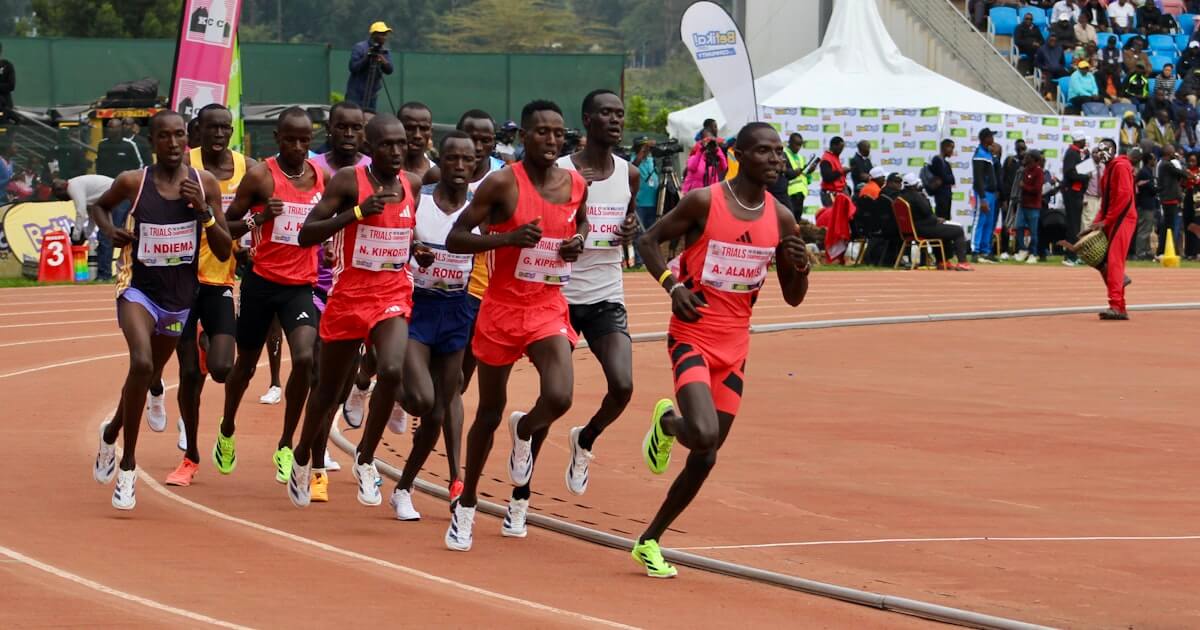
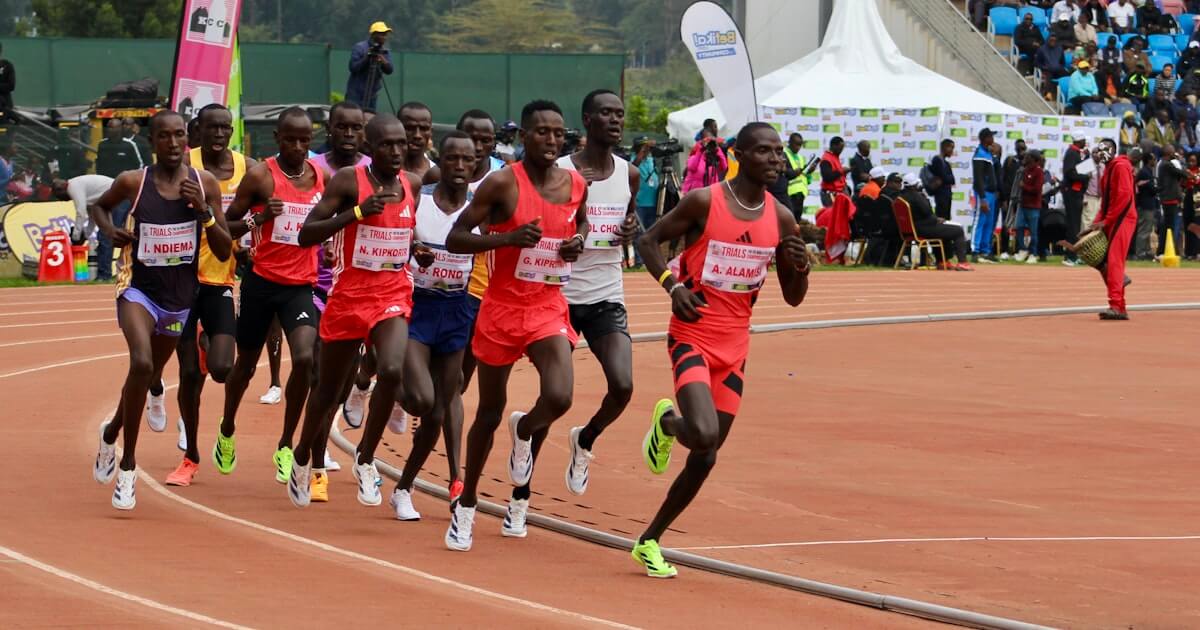
Breaking 45 minutes in the 10K is the definitive benchmark separating casual road runners from seasoned endurance athletes. At 4:30/km, you are no longer just jogging comfortably; you are flirting with your lactate threshold for three-quarters of an hour.
Most runners fail to break 45:00 not because they lack aerobic fitness, but because of two fatal execution errors: surging out at 4:10/km on race day adrenaline, and overstriding at a sluggish 160 SPM cadence that turns every footstrike into a braking maneuver.
The exact splits to break 45:00
To cross the timing mat in 44:59 or faster, here are your target splits across miles, kilometers, and track laps:
| Distance marker | Target time | Target pace | Cadence target |
|---|---|---|---|
| 400m track lap | 1:48 | 4:30/km (7:14/mi) | 174–180 SPM |
| 1 Kilometer | 4:30 | 4:30/km | 174–180 SPM |
| 1 Mile | 7:14 | 7:14/mi | 174–180 SPM |
| 5 Kilometers (Halfway) | 22:30 | 4:30/km | 174–178 SPM |
| 8 Kilometers | 36:00 | 4:30/km | 176–180 SPM |
| 10 Kilometers (Finish) | 44:59 | 4:30/km | 180+ SPM (Kick) |
If your current 10K personal best sits around 48 to 50 minutes, check out our sub-50 10K training guide first to build the necessary intermediate aerobic foundation.
Physiology: Why cadence dictates your 10K ceiling
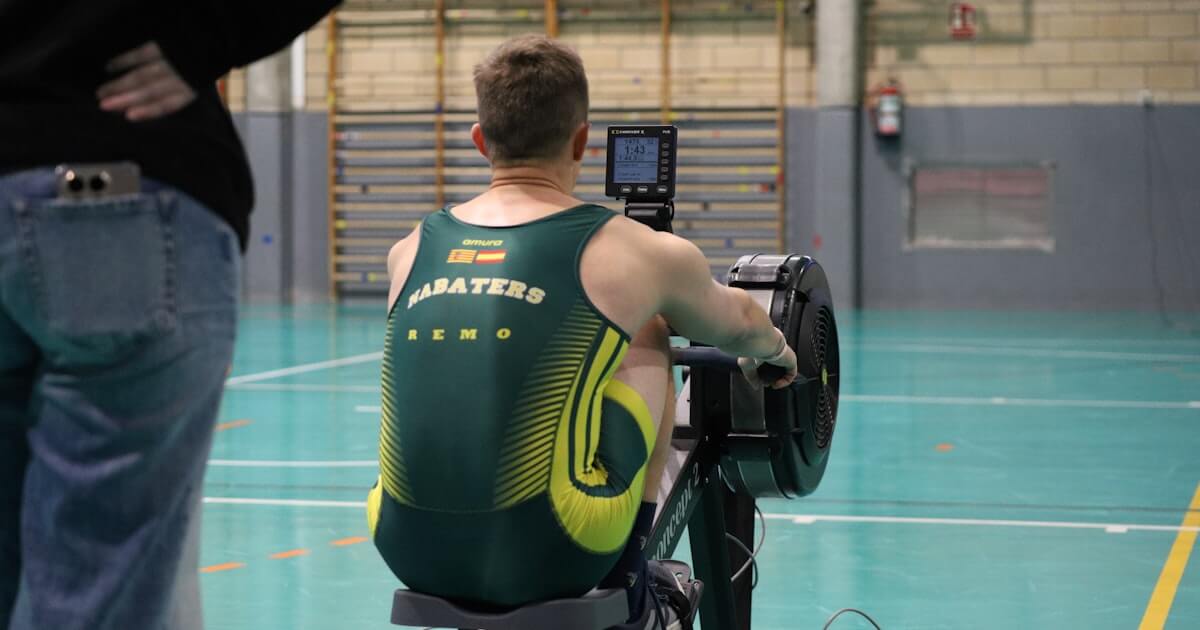
At a 4:30/km pace, your legs strike the ground roughly 7,800 to 8,100 times over 45 minutes. If you run with a low cadence of 160 SPM, your stride length must stretch to nearly 1.40 meters to hit target speed. That forces your heel to land far ahead of your center of mass, spiking braking forces and overloading your knees and shins.
A landmark biomechanics study by Heiderscheit et al. (2011) published in Medicine & Science in Sports & Exercise demonstrated that increasing step rate by just 5% to 10% substantially reduces energy absorption at the knee and hip joints while landing the foot closer to the body's center of mass.
Low Cadence (160 SPM)  --> Overstriding --> Heavy Braking Force --> Premature Quad Fatigue
Optimal Cadence (176 SPM) --> Compact Stride --> Spring Elasticity --> Sustained 4:30/km Pace
By lifting your cadence to 174–180 SPM, your stride shortens to an efficient 1.25–1.28 meters. You spend less vertical oscillation energy bouncing into the air, stay lighter on your feet, and conserve critical glycogen for kilometers 7 through 10.
Jack Daniels VDOT training zones for sub-45
According to legendary coach Jack Daniels' VDOT framework, a 44:59 10K corresponds to a VDOT score of approximately 45.5. To hit this mark, your weekly training paces must follow these physiological zones:
| Training zone | Purpose | Target pace | Heart rate (% max) | Target cadence & BPM |
|---|---|---|---|---|
| Easy (E-Pace) | Aerobic base & mitochondrial growth | 5:45–6:15/km (9:15–10:03/mi) | 65–75% HRmax | 160–168 BPM |
| Threshold (T-Pace) | Lactate clearance & endurance | 4:22–4:28/km (7:02–7:11/mi) | 88–92% HRmax | 174–178 BPM |
| Interval (I-Pace) | VO2 max aerobic power | 3:58–4:05/km (6:23–6:34/mi) | 95–100% HRmax | 178–182 BPM |
| Repetition (R-Pace) | Neuromuscular speed & mechanics | 3:45–3:52/km (88–92s per 400m) | Max effort | 180–185 BPM |
Running your easy recovery days too fast (e.g., at 5:00/km) is the single most common reason runners plateau. Keep your easy days slow and conversational so your body is fresh for threshold work.
The 8-week sub-45 10K training schedule
This plan assumes a baseline weekly mileage of 35–45 km (22–28 miles) and a recent 5K time under 22:00.
Phase 1: Aerobic foundation and cruise intervals (Weeks 1–3)
- Tuesday (Threshold): 2 km warm-up, 4 × 1.5 km at Threshold Pace (4:25/km) with 60 seconds jogging recovery, 2 km cool-down.
- Thursday (Aerobic Easy + Strides): 8 km easy run at 6:00/km, finishing with 4 to 6 relaxed running strides at 178 BPM.
- Saturday (Long Run): 12–14 km steady aerobic run at 5:50/km.
- Sunday (Recovery Run): 6 km recovery jog at 6:15/km.
Phase 2: VO2 max & race-specific endurance (Weeks 4–6)
- Tuesday (VO2 Max Intervals): 2 km warm-up, 5 × 1000m at Interval Pace (4:05/km) with 2 minutes easy jog recovery. For an alternative Norwegian protocol, explore our Norwegian 4x4 interval workout.
- Thursday (Continuous Tempo): 2 km warm-up, 6 km continuous tempo run at 4:30/km target race pace, 2 km cool-down.
- Saturday (Long Run with Fast Finish): 15 km total (first 11 km at 5:45/km, final 4 km progressive build to 4:30/km).
- Sunday (Easy Recovery): 6 km at 6:15/km.
Phase 3: Sharpening, taper, and race week (Weeks 7–8)
- Week 7 Tuesday: 3 × 1600m at 4:25/km with 90 seconds recovery.
- Week 7 Saturday: 10 km confidence run (first 5 km easy, last 5 km at goal 4:30/km pace).
- Week 8 Tuesday (Race Week Sharpening): 4 × 400m at 3:50/km with 90s walk recovery to keep the legs snappy.
- Week 8 Thursday: 4 km shakeout jog + 3 strides at 180 BPM.
- Week 8 Sunday (Race Day): 10K Race Target: 44:59.
Pacing execution: How to run a negative split on race day
A flat or slightly negative split is the gold standard for breaking 45:00. Use this 3-tier strategy on race morning:
- Km 1 to 2 (The Restraint Phase - 4:32/km): When the starter pistol fires, adrenaline will urge you to sprint. Intentionally hold back. Clocking 4:32 for the first two kilometers prevents premature lactate buildup.
- Km 3 to 8 (The Rhythm Lock - 4:30/km): Settle into your target 176–178 SPM cadence. Focus on rhythmic breathing and light foot turnover. Every kilometer split should read like clockwork between 4:28 and 4:30.
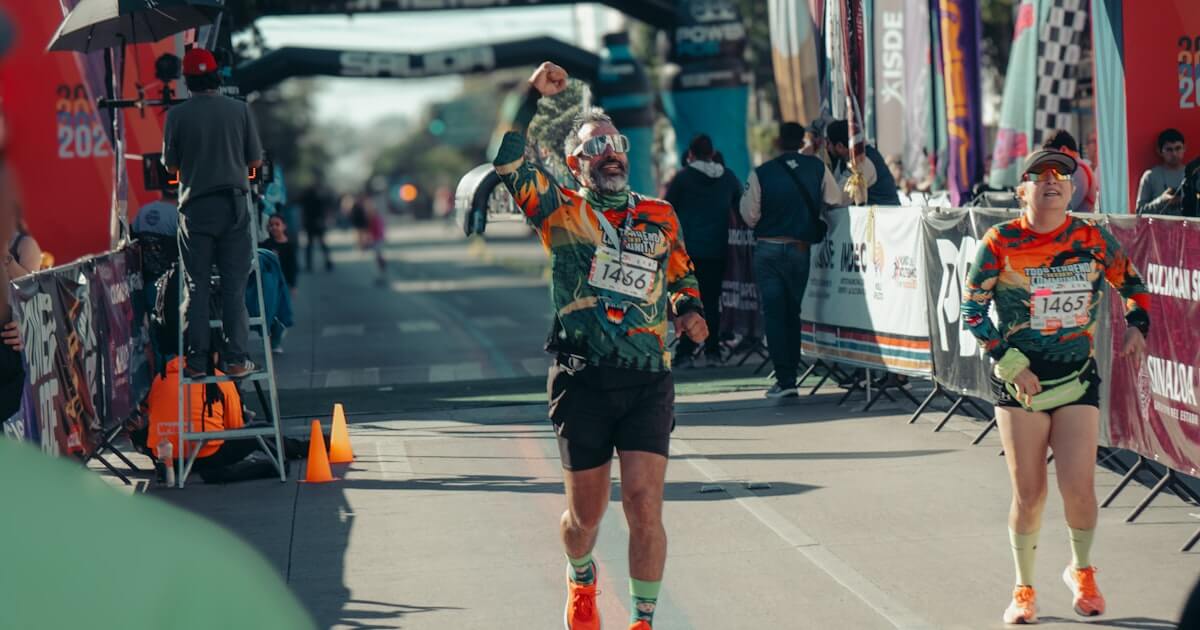
- Km 9 to 10 (The Empty-the-Tank Phase - 4:20/km): With 2 kilometers left, open your stride and increase leg turnover to 180+ SPM. Pass fatigued runners who started too fast and push through the finishing chute.
For comprehensive race-day tactics, review our 10K race BPM pacing strategy.
Lock your rhythm with BPM-matched playlists
When you are deep in a tempo run at 4:25/km, staring down at your GPS watch every 200 meters breaks your running economy and spikes cognitive fatigue.
Instead of constantly checking your watch, you can use GagaRun to sync your Apple Music or Spotify library directly to your exact cadence. When running your threshold intervals, set the tempo to 176 BPM. Your footsteps naturally lock onto the downbeat, ensuring you maintain a tight turnover and consistent pace without cognitive strain.
Frequently asked questions
What 5K time do I need before attempting a sub-45 10K?
You should be capable of running a 5K in 21:40 or faster. If your current 5K PR is above 22:30, your aerobic ceiling is likely not yet high enough to hold 4:30/km for 10 kilometers.
What should I eat before a sub-45 10K race?
Eat a carb-rich, low-fiber breakfast roughly 2.5 to 3 hours before start time, such as oatmeal with a banana or two slices of white toast with honey. Because the race takes under 45 minutes, you do not need in-race energy gels if your liver and muscle glycogen stores are fully loaded.
Should I run a sub-45 10K on a track or on the road?
A certified flat road course with minimal sharp turns is ideal for race day. Running 25 laps on a standard 400m track works well for interval workouts and time trials, but continuous turns on the track can place uneven lateral stress on your lower legs during an all-out 10K race.