12 3 30 On The Elliptical: Settings, SPM, And Music BPM
Sarah Jenkins, Fitness & Lifestyle Blogger
July 25, 2026
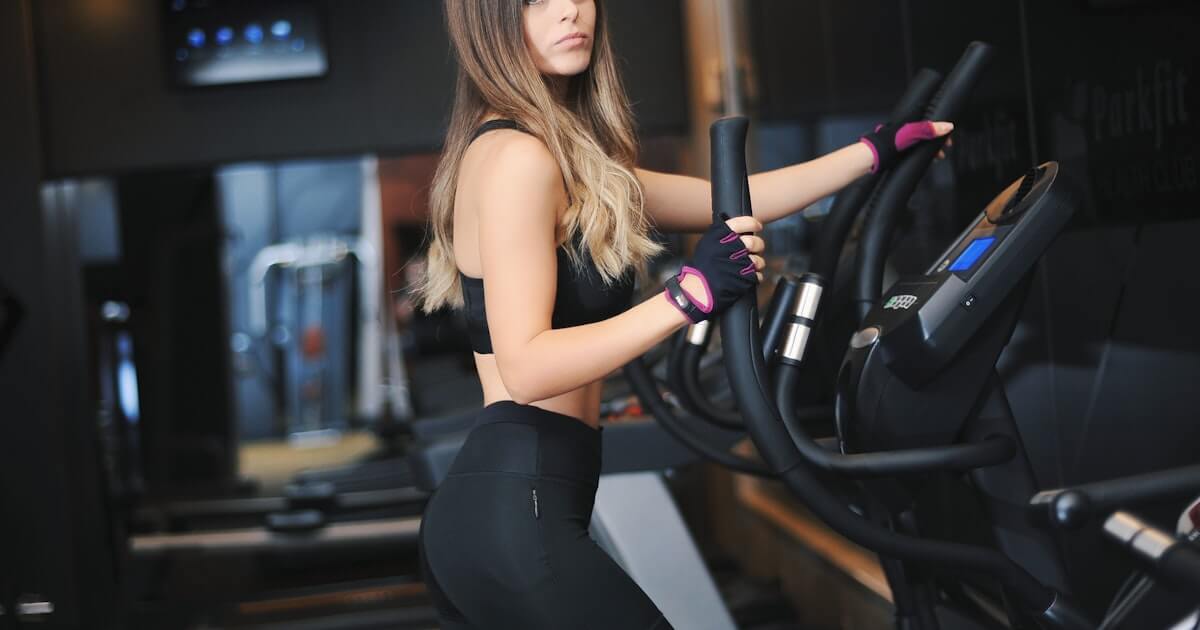
Yes, you can do 12-3-30 on an elliptical. Set the incline (ramp) to 12, or the highest your machine goes. Set resistance to level 3. Stride for 30 minutes at a steady 100-120 strides per minute. You should be breathing hard but still able to talk in full sentences. That's the whole conversion.
The catch is that "3" means something different on an elliptical, and if you copy the treadmill version literally, you'll either coast through an easy session or destroy your quads in eight minutes. Let me walk through what actually transfers.
Why do 12-3-30 on an elliptical at all?
Three honest reasons.
First, your knees. The original 12-3-30 treadmill workout is low-impact by running standards, but you're still loading your joints against a 12% grade with every step. On an elliptical, your feet never leave the pedals. Certified personal trainers quoted in Garage Gym Reviews recommend the elliptical version specifically for people with joint pain who still want the burn of incline walking.
Second, the treadmill row is full at 6pm and the ellipticals are empty. Not a scientific reason. Still a real one.
Third, the elliptical adds an upper-body component the treadmill can't. Push and pull the handles and you're distributing work across more muscle, which for a lot of people makes 30 minutes feel shorter.
The settings conversion table
There's no dial on an elliptical that says "3 mph," so you convert by effort, not by number:
| Treadmill 12-3-30 | Elliptical equivalent | What it should feel like |
|---|---|---|
| 12% incline | Incline/ramp 12 (or machine max) | Glutes and hamstrings working every stride |
| 3.0 mph speed | Resistance level 3, ~100-120 SPM | Steady push, never grinding |
| 30 minutes | 30 minutes | Breathing hard, full sentences still possible |
Two machine-specific notes:
- No incline option? Plenty of ellipticals don't have one. Raise resistance to 5-7 instead and keep the same stride rate. Higher resistance at a steady cadence recreates most of the uphill demand.
- Resistance scales vary. Level 3 on a commercial Precor is not level 3 on a $400 home machine. The talk test beats the number: if you can chat freely, add resistance. If you're gasping, back off.
Your stride rate is the metric that matters
On the treadmill, 3 mph forces your pace. On the elliptical, nothing forces anything. That's exactly how people end up drifting slower for 30 minutes while the console politely says nothing.
The fix is holding a target stride rate. At a 12-incline, moderate-resistance setup, most people land between 100 and 120 SPM (strides per minute). Conveniently, that matches the natural cadence of the treadmill version, since incline walkers at 3 mph typically fall between 100 and 115 steps per minute.
To find your number: stride at what feels like an honest effort, count your strides for 10 seconds, multiply by 6. That's your SPM.
Then make your music hold you there. This isn't a motivation gimmick. A study published in PLOS One found people synchronize their cadence to a musical beat spontaneously when the tempo sits within about 2.5% of their natural rate, and research from Brunel University measured roughly 12% lower perceived effort when music tempo matched movement cadence. The beat becomes a metronome you don't have to think about.
The practical problem: nobody has a playlist where every song sits at exactly 108 BPM. That's the problem GagaRun was built to solve. It takes your existing Apple Music or Spotify library and adjusts each track's tempo to your target, so your 100-120 SPM stays locked for all 30 minutes instead of sagging every time a slow song comes on.

How to run the session, step by step
- Warm up for 3-5 minutes at zero incline and light resistance. Cold muscles plus an instant 12-incline is a recipe for angry calves.
- Set incline to 12 and resistance to 3 (or your no-incline substitute of resistance 5-7).
- Lock your cadence at 100-120 SPM, using music at your target BPM or the console readout.
- Keep your hands light. Rest them on the moving handles or the heart-rate grips, but don't hang your bodyweight on them — same rule as the treadmill version, where death-gripping the rails erases most of the incline benefit.
- Hold for 30 minutes. If the effort fades as you warm up (it often does around minute 15), nudge resistance up one level rather than speeding up your stride.
- Cool down 2-3 minutes with the incline flat and resistance at 1.
Common questions
Does the elliptical version burn as many calories as the treadmill version?
Roughly comparable at matched effort, and the elliptical can pull ahead if you actively drive the handles. Calorie counts on cardio consoles are rough estimates either way — effort level and consistency matter far more than which machine you pick.
Is 12-3-30 on the elliptical good for beginners?
It's gentler on joints, but a max-incline half hour is still demanding. If you're starting from zero, begin with 15-20 minutes at incline 6-8 and build up over a few weeks. Health experts note the same thing about the original workout — even Lauren Giraldo's treadmill version is harder than its TikTok reputation suggests.
What music BPM should I use for 12-3-30 on the elliptical?
Match your stride rate: usually 100-120 BPM. If you prefer higher-energy tracks, songs at double your cadence (200-240 BPM) work as half-time — one stride every two beats. For more on picking tempos by machine, see the elliptical BPM guide.
The elliptical version isn't a downgrade from the "real" 12-3-30. It's the same stimulus (long, steady, uphill work) with less joint wear and a free upper-body bonus. Set the incline, pick your beat, and let the half hour take care of itself.