
Should You Run After Leg Day? A Recovery Pace Guide
Alex Chen, Certified Running Coach
August 21, 2026
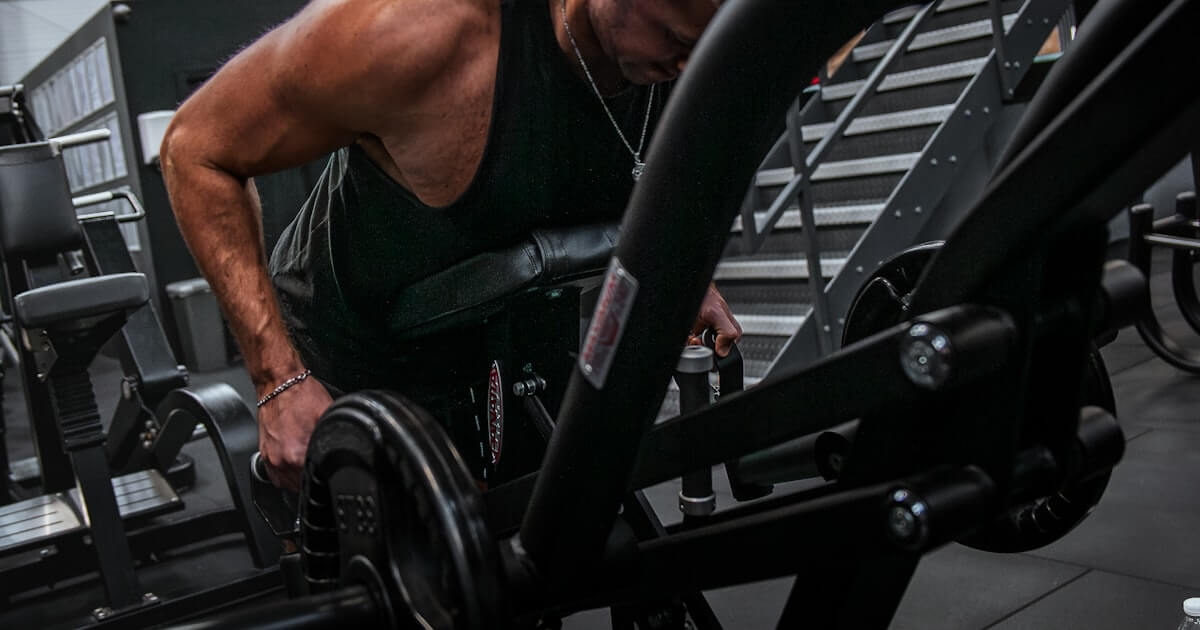
Running after leg day is usually fine if your soreness sits around 1-4 out of 10 and your walking stride looks normal. Keep it short and genuinely easy: a gentle 20-30 minute jog moves blood through sore muscles and takes the edge off stiffness. If soreness is 6/10 or higher, sharp, or it changes how you walk, skip the run and rest.
I get this question constantly from runners who also lift. They finish a heavy squat session, wake up the next morning with legs that feel like concrete, and want one clear answer: run or rest? The honest version is "it depends," but it depends on things you can actually check in about 30 seconds. Let me give you the checklist I use with my own athletes.
The 30-second soreness test
Before you lace up, run your legs through three quick checks. This maps to what sports medicine physicians at UCHealth call the difference between "train through it" and "back off."
| Check | Green light (run easy) | Red light (rest) |
|---|---|---|
| Soreness level | 1-4 out of 10, dull and even on both sides | 6/10 or higher, or sharp and localized |
| Your walking stride | Normal, maybe a little stiff | Limping or altered to protect one leg |
| Which day it is | Fading day over day | Getting worse, not better |
If you land in all three green columns, an easy run is not just safe, it can genuinely help you feel better. If any single check is red, that's your answer. Sharp joint pain especially is never DOMS, and running on it is how a bad day becomes a bad month.
What is DOMS, actually?
Delayed onset muscle soreness (DOMS) is the muscle pain that shows up 24 to 72 hours after a hard or unfamiliar workout, peaking around the 24-48 hour mark. It comes from tiny tears in the muscle fibers, mostly from the "lowering" phase of an exercise, like the descent of a squat. According to the Cleveland Clinic, it's a normal part of getting stronger and usually fades within a few days, rarely lasting more than five.
The key thing to understand: DOMS is a repair process, not damage you need to fix. That reframe matters, because it tells you what a recovery run can and can't do.
Does running actually help you recover?
Here's where I have to be straight with you, because the internet oversells this.
A light run gives you real, immediate relief that is also temporary. A well-known randomized trial in the Journal of Strength & Conditioning Research (Andersen et al., 2013) found that light active exercise reduced soreness about as well as massage, with the biggest effect in the first 20 minutes and fading within an hour. An older study by Zainuddin and colleagues measured the drop in perceived soreness at roughly 40% right after light exercise. So yes, that "my legs feel looser after jogging" feeling is real.
But it's an analgesic effect, not accelerated healing. A 2018 systematic review and meta-analysis in Frontiers in Physiology (Dupuy et al.) and later reviews of low-intensity exercise found that easy movement does not meaningfully speed up the underlying muscle repair or restore strength faster than simply resting. Blood markers of muscle damage don't drop faster either.
So the accurate mental model is: a recovery run makes you feel better now and keeps you moving, but it isn't repairing your quads any faster than the couch would. That's still a good reason to run. Feeling better and staying consistent has real value. Just don't tell yourself the jog is "flushing out" the damage.
The mistake that actually costs you: going too hard
The trap isn't running after leg day. It's running too hard after leg day, on two fronts.
Front one, your run suffers. Sore, fatigued legs recruit muscle differently, and your form drifts. Push the pace and you're grinding out a quality session on compromised legs, which raises injury risk for little training benefit.
Front two, your gains suffer. This is the part lifters forget. A 2022 research review on concurrent training (mixing strength and endurance) confirmed the "interference effect": endurance work done too close to lifting, especially hard endurance work, can blunt strength and muscle gains. A slow recovery jog is low enough intensity that it barely interferes. A tempo run the day after heavy squats is a different story.
Both problems have the same fix. Keep the run truly easy.
How to keep a post-lift run genuinely easy
- Run by effort, not ego. You should be able to hold a full conversation. If you're breathing hard, you've turned recovery into training.
- Cap the distance. Twenty to forty minutes is plenty. This is a body flush, not a workout, so treat it like your other easy runs.
- Pick soft, flat ground. Skip the hills and speedwork. Sore quads and downhill running are a bad match, since braking on descents loads exactly the muscles that already hurt.
- Let cadence hold you back. This is the tool I lean on most.
On easy days, most recreational runners settle around 150-165 steps per minute at a relaxed effort. The problem is that "easy" quietly drifts hard, especially when a good song comes on and your legs feel loose 10 minutes in. Running to music that matches your easy cadence gives you a physical brake: when you start rushing, your feet leave the beat and you feel it immediately. I have sore-legged athletes run their recovery days to a playlist pinned at their easy step rate, and it works better than any reminder to "take it slow." GagaRun automates the fiddly part by reading your live step rate and playing only songs from your own library that match it, so a recovery jog stays a recovery jog instead of creeping into a tempo run.
When to just rest instead
Rest isn't the lazy option, it's sometimes the smart one. Take the full rest day (or a walk instead of a run) when:
- Soreness is 6/10 or higher, or it's sharp rather than dull.
- You're limping or changing your stride to protect a muscle.
- The soreness is getting worse each day instead of easing.
- You have a genuinely important workout coming up that needs fresh legs.
The Cleveland Clinic's guidance is simple and worth repeating: gentle movement is fine, but don't work sore muscles hard until the soreness eases. And you won't lose fitness from taking two or three easy days. That fear is almost always bigger than the reality.
FAQ
Is it better to run before or after leg day?
If you care most about strength and muscle gains, do your run on a separate day or several hours apart, and keep it easy. Hard endurance work right before or after lifting is where the interference effect bites. A short recovery jog the morning after is low-intensity enough to be fine.
Why are my legs so sore two days after leg day and not the next morning?
That's textbook DOMS. Soreness from muscle-damaging exercise typically peaks 24 to 48 hours later, not immediately. So the "day two is worse" pattern is completely normal and not a sign you did anything wrong.
Should I run if my legs are sore but not from lifting?
Same rules apply. Whether the soreness came from squats, a long run, or a new hill workout, use the soreness-and-gait test. Mild and even, run easy. Sharp, one-sided, or gait-altering, rest. Your muscles don't care what caused the soreness, only how bad it is.
Does stretching before my recovery run help the soreness?
Not much, according to the evidence. A Cochrane review concluded that stretching neither prevents nor meaningfully relieves DOMS. A gentle warm-up walk into an easy jog is a better way to loosen up than static stretching cold, sore muscles.





