
Metal Running Playlist: Beats And Breakdowns
GagaRun Team
October 13, 2026
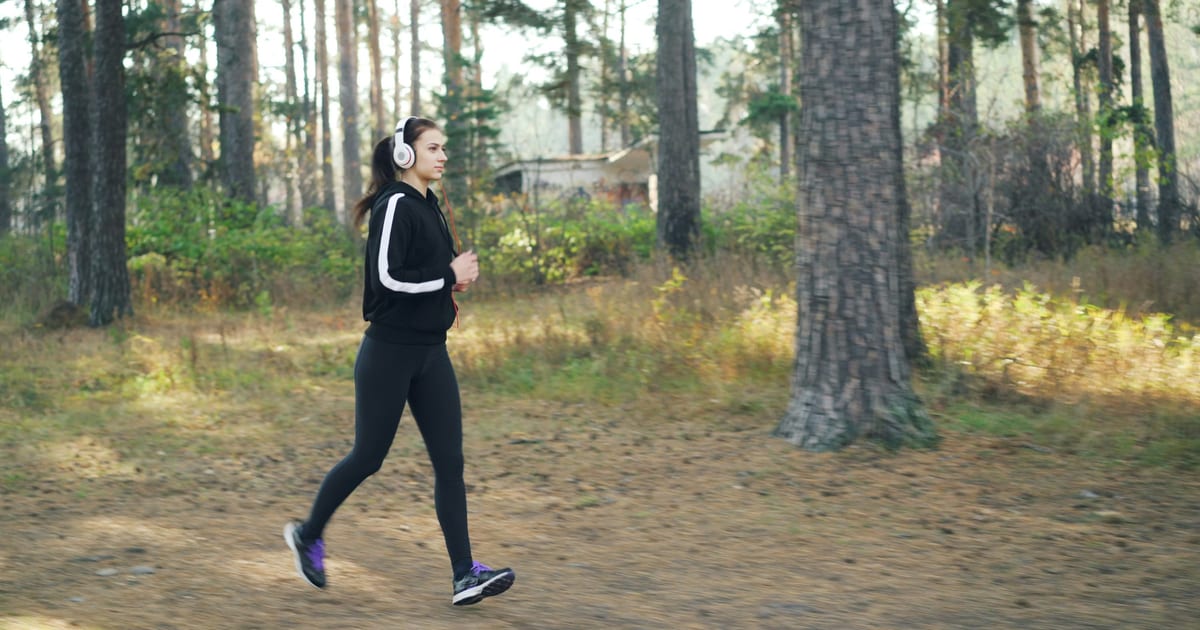
Build your metal running playlist from songs you enjoy. Check which can cue your steps and which work better as background. Breakdowns can feel slower without changing tempo, so keep your planned effort and check the whole recording before using its beat to guide your feet.
Keep the guitars. The tricky part is choosing a pulse you can follow when the drums change character.
A breakdown isn't automatically a slower BPM
Music BPM means beats per minute. It describes a pulse, rather than the number of kick-drum hits, guitar notes or loud accents you hear.
In his Drumeo guide to metal drumming, drummer Brandon Toews explains that breakdowns often use a half-time or quarter-time feel. That can make a section sound slower and heavier while its tempo stays the same. He names Wage War's "Blueprints" and Thy Art Is Murder's "Reign of Darkness" as examples.
For a runner, the useful question is whether the pulse you were following is still there. During a half-time section, try keeping the same tapping count while the big accents spread out. If that count fits comfortably, you don't need to halve your step rate just because the snare feels slower.
A song can also change tempo, switch meter, or leave you without an obvious pulse. If following it means awkwardly rushing or waiting, let it become background music. You can keep enjoying the section without copying every rhythmic change with your feet.
Five songs to start your shortlist
Start with these five recording candidates, then use the check below to decide which fit your run. Choose each track separately; the list mixes artists and rhythmic styles.
| Song | Recording to look for | What to check before using it as a step cue |
|---|---|---|
| Metallica: "Fuel" | Studio track on Reload | Does following the pulse keep you at the effort you planned, or make you chase the song? |
| Iron Maiden: "The Loneliness of the Long Distance Runner" | Studio track on Somewhere in Time | Can you follow one comfortable pulse through the whole track? Check beyond the opening. |
| Killswitch Engage: "My Curse" | As Daylight Dies album recording | Check whether the rhythm you hear stays easy to follow when sections change. |
| Wage War: "Blueprints" | Blueprints (Anniversary Edition) album track | Use this Drumeo breakdown example to practice keeping a count through a change of feel. |
| Thy Art Is Murder: "Reign of Darkness" | Hate album recording | Try the same count-through check; keep it as background if the accents pull your steps around. |
The first three give you different artists to try; the last two make the breakdown question concrete. Keep whichever you actually want to hear again, whether or not its rhythm works as a step cue.
Save the album version alongside the title. If you replace it with a live performance, remix or cover, check that recording separately.
Give each track a job
Make two small lists while you build the playlist:
- Step cues: songs whose pulse you can follow comfortably, including through later sections.
- Background favorites: songs you love but prefer to run independently of their rhythm.
The second list is useful. A 2020 meta-analysis by Terry and colleagues pooled 139 studies involving 3,599 participants across exercise and sport. Music was associated with more positive feelings and lower perceived exertion overall. That doesn't establish a metal-specific benefit, or require every song to match every step.
If the goal today is simply to enjoy an easy run, background favorites may be enough. If you want a clear step cue, choose from the first list. Keep the workout you planned when a chorus or breakdown arrives; neither is an instruction to sprint or recover.
Check the recording before the run
Work through this check with the exact version you plan to play:
- Choose one pulse. Tap a comfortable count in a clear section. Let faster notes and fills pass between your taps.
- Check the changes. Follow that count through the opening, verses, chorus, breakdown and ending. A short preview can miss the section that disrupts your rhythm.
- Label the result. Write a note such as "count stays clear," "breakdown needs concentration," or "background only."
- Try it at your planned effort. On a familiar, comfortable run, notice whether following the beat changes the effort you intended. If it does, stop following it or choose another track.
Start with a short selection you know well. You can expand it after you know which tracks belong in each list. This avoids repeatedly discovering a difficult transition halfway through a run.
Use BPM to narrow your metal collection
Running cadence means steps per minute, counting both feet, as Garmin's running dynamics manual explains. Measure it once you're settled at the effort you want: count all footfalls for 30 seconds and multiply by two.
For example, 84 footfalls in 30 seconds equals 168 steps per minute. A 168 BPM pulse can fit one step per beat; an 84 BPM pulse can fit two steps per beat, with one landing on the beat and the next between beats. Those are arithmetic examples, not cadence targets.
Our guide to finding running songs in your own playlist explains that matching process. With metal, add the whole-track check above: a suitable number doesn't tell you whether you'll find the pulse easy to follow during a breakdown.
For the shortlist, GagaRun's main iOS Apple Music version can analyze BPM in imported favorite songs and let you select a target cadence, according to its App Store description. Use that analysis to find candidates among the metal you already like, then check the recording yourself. It isn't a guarantee that every section will be an easy step cue.
The GagaRun FAQ explains that this version requires a separate Apple Music subscription. Some GagaRun features also require its own subscription.
Frequently asked questions
Is metal good running music?
It can be, if you enjoy it. Start with the songs above or your own favorites, then decide whether each is a step cue or background listening. You don't have to force your steps to match a complicated section.
Should I slow down when a breakdown starts?
Let your planned workout determine that. Half-time feel can happen without a tempo change; keep your original count if it's comfortable. If the pulse becomes hard to follow, run independently of it.
What BPM should a metal running playlist have?
For deliberate beat-following, use your cadence at the effort you intend to run, then check the pulse you actually hear. For background listening, the songs can have different tempos. A genre label doesn't set a universal cadence.





