
Classical Music For Running: Build A Better Playlist
GagaRun Team
October 12, 2026
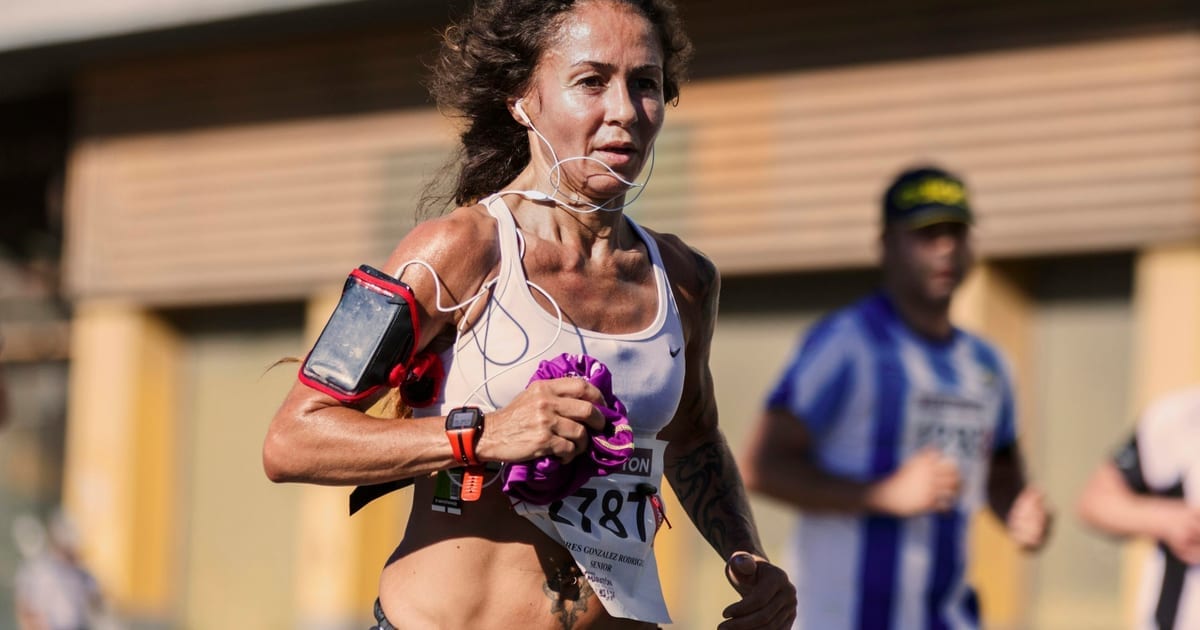
Classical music can accompany a run without matching every step. If you want a beat to follow, choose a specific recording and movement, then check whether its pulse stays comfortable through the whole track. Start with a few pieces you enjoy; a fast tempo marking alone won't choose your playlist.
Four places to start
These are listening candidates, not a fixed BPM playlist. The recordings give you something specific to search for; keep the ones you actually want to hear again.
| Piece or movement | A recording to look up | What to check |
|---|---|---|
| Mendelssohn: Symphony No. 4, "Italian," I. Allegro vivace | Anthony Bramall / Slovak Philharmonic Orchestra | Can you follow a pulse through the quieter passages as well as the opening? |
| Mozart: The Marriage of Figaro, K. 492, Overture | Barry Wordsworth / Capella Istropolitana, Naxos Mozart: Overtures | Can you tap a regular beat without trying to follow every quick note? |
| Bach: Orchestral Suite No. 2, BWV 1067, VII. Badinerie | Helmut Müller-Brühl / Cologne Chamber Orchestra, Naxos Listen, Learn and Grow with Bach | Does the pulse you hear fit your comfortable step rhythm? |
| Steve Reich: Music for 18 Musicians, opening "Pulses" | Steve Reich and Musicians, Nonesuch recording released in 1998 | Can you follow the repeating instrumental pulse while the other parts move around it? |
The Mendelssohn recording opens YourClassical's workout playlist. Start with that movement, then check the others separately if you want to add more.
For Mozart and Bach, the Mozart catalogue and Bach catalogue identify the recordings above. Try each on its own before building a long queue.
Reich explains in his composer notes that piano and mallet instruments maintain a regular pulse while voices and wind instruments use breath-shaped patterns. The opening "Pulses" is one entry point into that texture. It contains voices, so don't expect an entirely instrumental track.
Why the recording matters
Two performances of the same work needn't move at the same speed. Nonesuch's album notes describe a tempo change between its Reich recording and the earlier version. A BPM you found for one recording may be a poor guide to another.
Save the performer and album alongside the movement name. If you replace a recording later, check it again rather than carrying over the old tempo label.
Even within a recording, the timing can change. Rubato is expressive flexibility in tempo; Berklee's rhythm course description describes it as subtle tempo change. Longer pauses or broader changes between sections can also interrupt a beat you were following.
A 2023 study by Chiu and colleagues, using two classical piano datasets, found limitations in beat trackers built around global tempo assumptions when the music changed tempo locally. That concerns the tested tracking methods, not GagaRun's accuracy. It helps explain why a single number needs a listening check.
Give each candidate a quick listening check
You don't need to analyze a whole symphony. Pick one movement and work through this check before your next run:
- Find a regular pulse. In a clear passage, tap gently to the beat you hear. A fast melody may contain several notes between those taps.
- Check other sections. Preview the opening, somewhere in the middle, and the ending. Notice whether you have to rush, wait, or stop tapping to follow them.
- Choose its job. Keep tracks with an easy-to-follow pulse as possible step cues. Pieces with wandering timing can still be enjoyable background listening.
- Try it at your planned effort. Keep the run comfortable. If following the music changes the run you intended, stop following its beat or choose another track.
- Leave a short note afterward. "Easy pulse," "long pause near the end," or "better as background" will help you choose next time.
This is a practical selection method, not a performance test. You can enjoy a favorite concerto without turning its tempo changes into workout instructions.
Use BPM to narrow the list
Running cadence counts both feet, as Garmin's running dynamics manual explains. Once you're settled at a comfortable pace, count all footfalls for 30 seconds and multiply by two.
For example, 80 footfalls in 30 seconds means 160 steps per minute. You could try 160 BPM with one step per beat, or 80 BPM with two steps per beat: one landing on the beat and the next between beats. These are counting examples, not targets every runner should adopt.
Our guide to finding running songs in your own playlist explains that matching step in more detail. Check that you can still follow the pulse in later sections.
For an Apple Music playlist on an iPhone, GagaRun can help with the shortlist. Its official App Store description lists importing favorite songs, BPM analysis and selecting a target cadence. Use those results to find candidates among recordings you like, then do the listening check yourself.
The main Apple Music version requires a separate Apple Music subscription, as the GagaRun FAQ explains. Some GagaRun features also require its own subscription. A BPM result doesn't establish whether an entire movement holds a steady pulse.
Frequently asked questions
What classical music is good for running?
Start with a movement you enjoy, such as one of the four above, and try a specific recording. If you want to follow the beat, check several sections. If you're listening for company, tempo changes needn't disqualify it.
Can I use slower classical music?
Yes. You can listen without stepping to it, or try two steps per beat when the pulse fits. An 80 BPM example can accompany 160 steps per minute that way; it doesn't require speeding up the recording.
Should every piece in my playlist have the same BPM?
Only deliberate beat-following calls for checking the relationship between each track and your steps. You can mix tempos for background listening. Keep your planned effort when the music changes, and save tracks that pull you into unwanted surges for another playlist.





