Running With Plantar Fasciitis: How A 175 BPM Cadence Reduces Heel Impact
Dr. Michael Torres, Sports Science Contributor
2026年3月25日
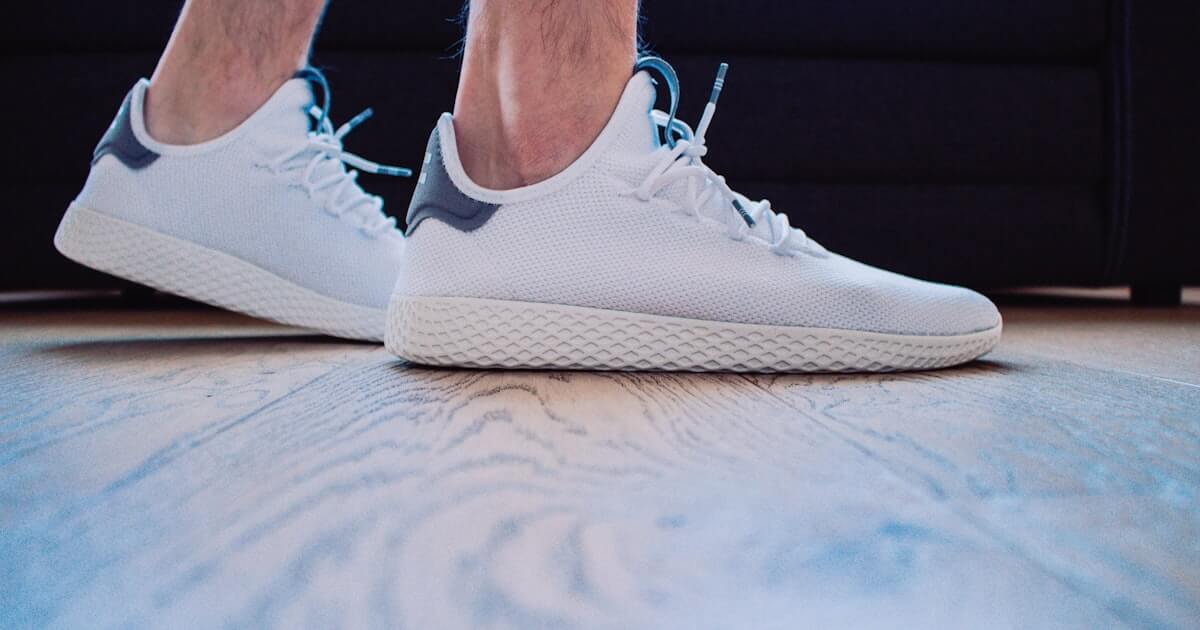
Yes, you can run with mild plantar fasciitis, provided you increase your step rate. Bumping your running cadence to 170-180 steps per minute naturally shortens your stride, shifts you away from a heavy heel strike, and reduces the peak impact force on your plantar fascia by up to 20%.
I see this exact scenario in the sports medicine clinic every single week. A runner comes in with that dreaded, stabbing heel pain in the morning. They ask if they have to stop running entirely. Usually, my answer is no—but we do have to change how their foot hits the pavement. The fastest way to force that mechanical change without overthinking it? Lock your steps to a high-BPM playlist.
What is Plantar Fasciitis in Runners?
Plantar fasciitis is an inflammation or degeneration of the thick band of tissue running across the bottom of your foot, connecting your heel bone to your toes. In runners, it is almost always an overuse injury caused by excessive tissue tension during the "loading phase" of your stride. When you overstride—landing with your foot too far out in front of your center of gravity—your heel takes a massive, sudden braking force that pulls violently on the fascia.
The Biomechanics: Why Cadence Cures the Heel Strike
The math on this is remarkably consistent. If you take fewer steps to cover the same distance, each step has to be longer, and your foot spends more time on the ground absorbing your body weight.
According to a 2025 biomechanical study published on MDPI, increasing cadence by just 5% reduced rearfoot impact forces by 81.36 Newtons and shortened stride length by 17 centimeters in recreational runners. Another study found that this slight 5% tempo bump reduces the total heel impulse by an estimated 565 body-weight-seconds over the course of a single mile.
Think about that. You aren't changing your shoes or doing complicated form drills. You are literally just taking slightly quicker, shorter steps. The pain reduction is almost immediate.
Research backs this up: a landmark step-rate study published in Medicine & Science in Sports & Exercise (Heiderscheit et al., 2011) found that increasing running cadence by just 5-10% brings the foot strike closer to your center of mass and substantially reduces the mechanical energy absorbed at the knee and hip. Less braking at the front of each stride also means smaller impact transients pulling at the plantar fascia.
Impact Comparison: Low vs. High Cadence
Here is exactly what happens mechanically when you shift from a sluggish 150 BPM to a brisk 175 BPM pace:
| Metric | 150 SPM (Overstriding) | 175 SPM (Optimal) |
|---|---|---|
| Foot Strike Location | Ahead of center of gravity | Directly under center of gravity |
| Initial Contact | Heavy heel strike | Midfoot or light heel strike |
| Ground Contact Time | Prolonged (>280ms) | Brief (<250ms) |
| Plantar Fascia Load | High peak tension | Distributed load |
| Injury Risk | Very high | Considerably lower |
How to Safely Match Your Cadence to Music
Trying to consciously count your steps while managing heel pain is exhausting. The brain simply can't hold focus on a number for three miles. This is where rhythmic entrainment—using music to drive your motor cortex—comes into play.
- Find your baseline: Go for a slow 60-second jog. Count your right foot strikes, multiply by two. That’s your current SPM.
- Calculate your 5% bump: If your baseline is 156, you want to target around 164 BPM. If you are already at 165, aim for 175 BPM.
- Lock the rhythm: You need music that hits exactly on that target beat. Trying to manually skip tracks on Apple Music to find the right tempo disrupts your flow. A tool like GagaRun automatically filters your existing playlists to only play songs that match your target cadence, keeping your footstrikes locked in. You just listen to the snare drum and step to it.
- Lean slightly forward: Keep your posture tall, but hinge slightly from the ankles. This naturally encourages your foot to land underneath you rather than out in front.
If you are currently trying to stop overstriding to protect your knees or feet, music is basically a cheat code for your nervous system.
Frequently Asked Questions
Should I stop running completely if my plantar fasciitis hurts?
If your pain alters your normal walking gait (you are limping) or causes sharp, shooting pain during the run, you need to stop and rest. If the pain is a dull ache that warms up and fades within the first mile, you can often continue running by reducing your volume and increasing your cadence to lower the impact load.
Can I run at 180 BPM if I am a slow runner?
Yes. Cadence is about how many steps you take, not how fast you move. You can "shuffle" or do a slow jog at 180 steps per minute by taking very short, quick, light steps. This is actually one of the most effective ways to increase running cadence without spiking your heart rate.
Does footstrike matter more than cadence?
Cadence usually dictates footstrike. It is very difficult to aggressively heel strike at 180 SPM. By fixing the cadence first using a BPM-locked playlist, the footstrike usually corrects itself naturally without over-analysis.