The Optimal Running Cadence For Heavy Runners To Prevent Knee Pain
Dr. Michael Torres, Sports Science Contributor
2026年3月26日
If you're a heavier runner, the best cadence to stop knee pain isn't a magic number. It's just 5% to 10% faster than what you're doing right now. For most people, that lands somewhere between 160 and 170 steps per minute (SPM). This small bump forces you to take shorter strides, drops your foot right under your hips, and can actually cut the impact force on your knees by up to 20%.
What is Running Cadence?
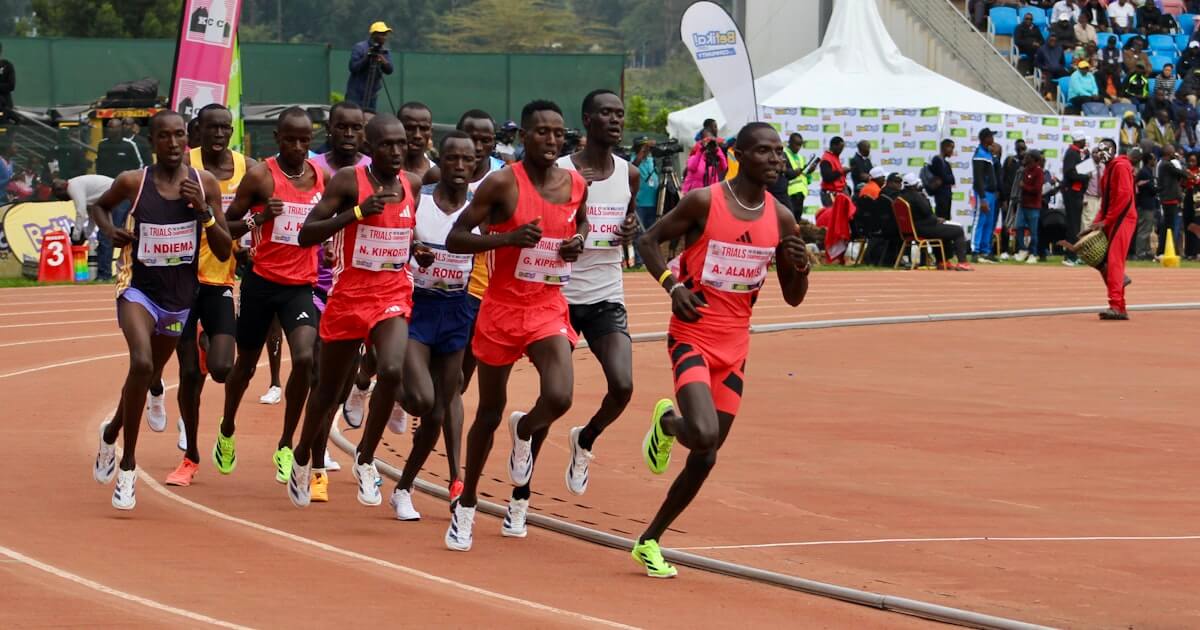
Cadence is just the number of times your feet hit the pavement in 60 seconds. A high cadence means quick, choppy steps. A low cadence means long, bounding strides.
When you're carrying extra weight, bounding is the enemy. Overstriding magnifies every ounce of impact your legs have to absorb.
Why Step Rate Matters More for Heavier Runners
Running hurts when you do it wrong because your lower body absorbs two to three times your body weight with every single step. If you're heavy, that math gets ugly fast, leading straight to runner's knee or shin splints.
I always point to a specific biomechanics study on joint loading. Researchers looked at runners carrying an extra 15kg of weight. Unsurprisingly, the load on their kneecaps spiked. But here's the interesting part: bumping their cadence up by just 7.5% reduced the peak force on their knees by half a body weight.
Research backs this up: a landmark step-rate study published in Medicine & Science in Sports & Exercise (Heiderscheit et al., 2011) found that increasing running cadence by just 5-10% brings the foot strike closer to your center of mass and substantially reduces the mechanical energy absorbed at the knee and hip.
When you speed up your turnover, you stop using your fragile knee cartilage as a shock absorber. You force your stronger glutes and hamstrings to do the work instead.
The "180 BPM" Myth
People constantly repeat that 180 SPM is the perfect cadence. It's not. If you're an overweight beginner and you try forcing a 180 BPM pace, your heart rate will redline in about three minutes.
| Cadence Range | Impact on Joints | Energy Cost (Heart Rate) | Best For |
|---|---|---|---|
| < 150 SPM | Severe impact, high risk of knee pain | Low | Walking only |
| 155 - 165 SPM | Moderate impact reduction | Medium | Heavy beginners |
| 165 - 175 SPM | Optimal biomechanical efficiency | Medium-High | Intermediate runners |
| 180+ SPM | Minimal impact, heavy braking forces | High | Elite athletes |
Don't aim for 180. Aim for a sustainable 5% bump over your baseline.
How to Fix Your BPM
Here is the exact process to calculate and fix your step rate safely:
- Find your baseline. Go for a normal run on flat ground. Count every time your right foot hits the ground for 60 seconds. Multiply by two. (If you counted 75 right foot strikes, your baseline is 150 SPM).
- Add 5 percent. Multiply that baseline by 1.05. So 150 SPM becomes 158 SPM.
- Use locked audio. Run to music or a metronome set exactly to your new target BPM.
- Take breaks. Hold the 158 SPM rhythm for 2-minute intervals, then walk. Your heart needs time to adapt to the faster turnover.
Ditching the Metronome
Running to a metronome is miserable. And trying to manually skip through Spotify until you find a song that matches 158 BPM ruins your run.
I recommend using GagaRun instead. It takes your existing playlists and filters them to only play songs that match your exact target cadence. If your knees ache at 150 SPM, dial the app to 160 BPM. It locks the tempo, forces you to match the beat, and naturally stops you from overstriding without you having to think about it.
Frequently Asked Questions
Do I need to run faster to increase my cadence?
No. Keep your speed exactly the same. You just need to take shorter, choppier steps. Imagine gliding over the ground instead of jumping through the air.
How long does the adaptation take?
Usually 3 to 6 weeks. Your heart rate will probably jump at first because your body is learning to fire muscles differently. Give it time and it will become your new normal.
What if my calves hurt?
That happens. Shorter strides force your calves and Achilles tendons to work harder as springs. If the soreness is intense, back off to just a 2% cadence increase and do some calf raises on your rest days.